Helpful information
Timing: Plant in spring
Where to do it: Outdoors
Garden space: Small garden, large garden, balcony, patio
Timing: Plant in spring
Where to do it: Outdoors
Garden space: Small garden, large garden, balcony, patio

Lavender is a fantastic sensory plant. It has attractive flowers, which are commonly purplish but can also be white or pink shades. Together with its soft, grey-green foliage, it is a treat to see in the garden.
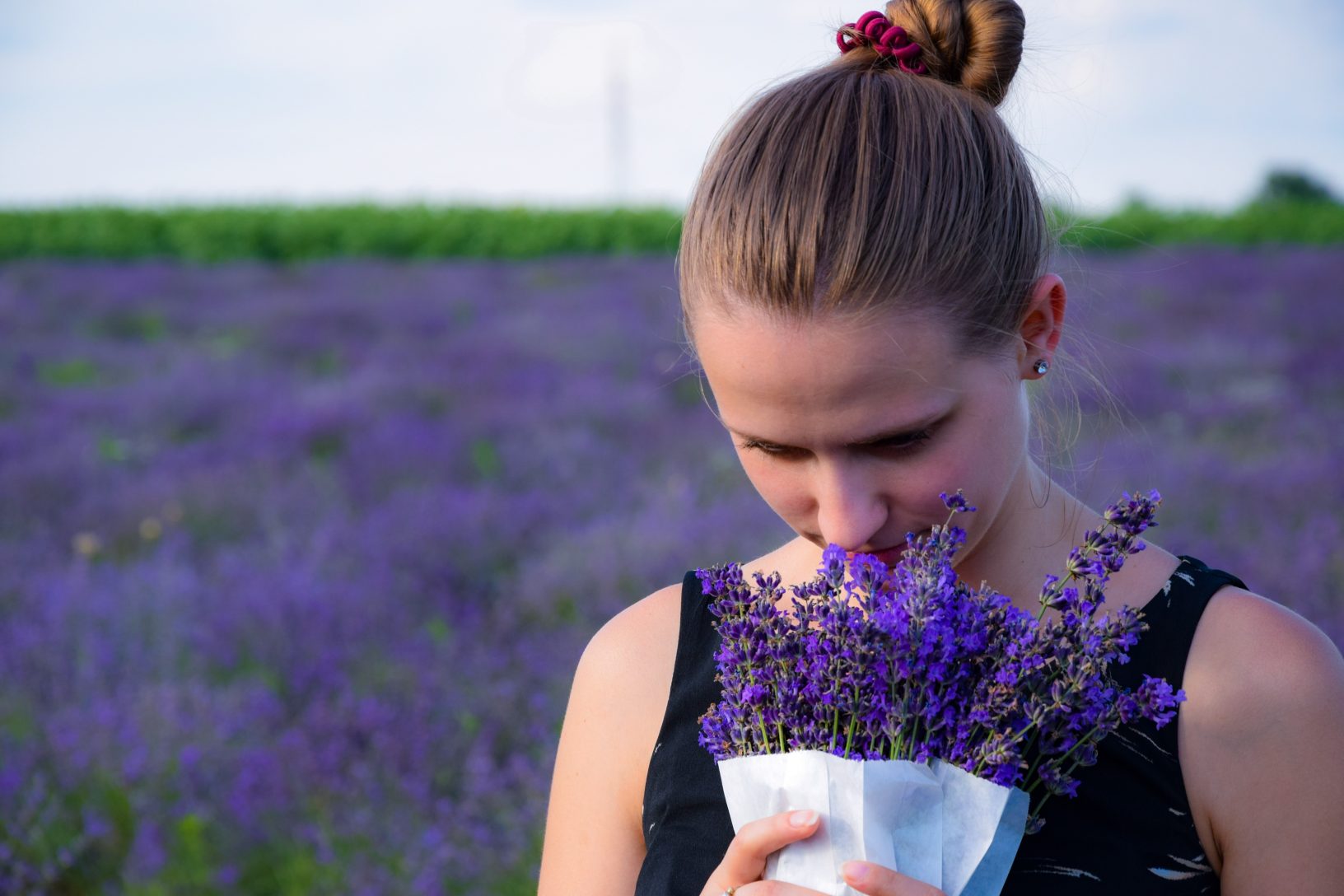
One of the things that makes lavender so special is its scent. The smell is so distinct and familiar. Scientific research suggests it can help us to feel calmer, less anxious and sometimes help us sleep better.
The plant may have evolved its distinct smell to deter pests. But we can make use of it by adding lavender to essential oils, lavender bags and more.
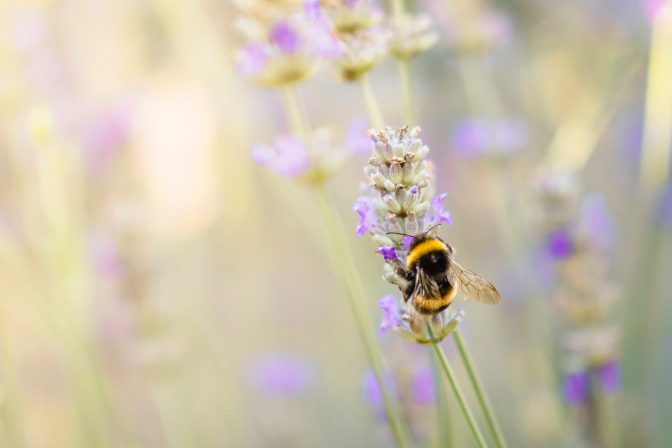
Another feature of lavender that makes it popular in gardens is the way it attracts insects, like bees and hoverflies. This supports the environment and gives us something enjoyable to watch.
Varieties of lavender
The two main varieties of lavender are commonly known as 'English lavender' or 'French lavender.
English lavender varieties, either Lavandula angustifolia or L.x intermedia, are the hardiest. Popular cultivars include Munstead and Hidcote Giant
French lavender varieties, Lavandula stoechas, look distinct from English types. Look for the large fine petals or ‘ears’ at the top of the flower spike and you will know it is a French variety. French lavender varieties usually flower a little bit earlier than English ones - late spring, compared to early summer.

Lavender is fairly straightforward to grow, if you find a spot with the right conditions.
Where does lavender grow best
Lavender is a sun loving plant. It doesn't like to get too wet or too cold. Well-drained soil in a sunny spot is ideal. Lavender is also a great plant to grow in containers or raised beds, as the soil can dry out between waterings.
When to plant lavender
The best time to plant lavender is in spring. Avoid planting in winter when it is wet and cold.
Can you grow lavender from seed
While it is possible to grow lavender from seed, it is very challenging to get the seeds to germinate. Most people prefer to grow lavender from small plants. You can also take cuttings from your own lavender once it's well grown, for a continued supply of free plants!
How to prune lavender
You can keep your lavender in shape by pruning it after it has finished flowering. Avoid cutting back into the woody growth, as your lavender may not be able to produce new growth from that.
Taking cuttings
Softwood and semi-ripe cuttings can be taken during the summer and hardwood cuttings later in the year. This is a great way to increase your stock if you are planning to grow enough for a low hedge.
If you cut back your lavender after it has flowered and collect the cuttings, you can use the dried flowers.
Dried lavender can be tied into posies. Or, the tiny flowers can be removed from the stem. They can be made into lavender bags by placing some in the centre of a small square piece of cloth. The corners are then lifted and a cord tied around to keep it in place.
The flowers can also be used to flavour cakes, biscuits, and drinks.
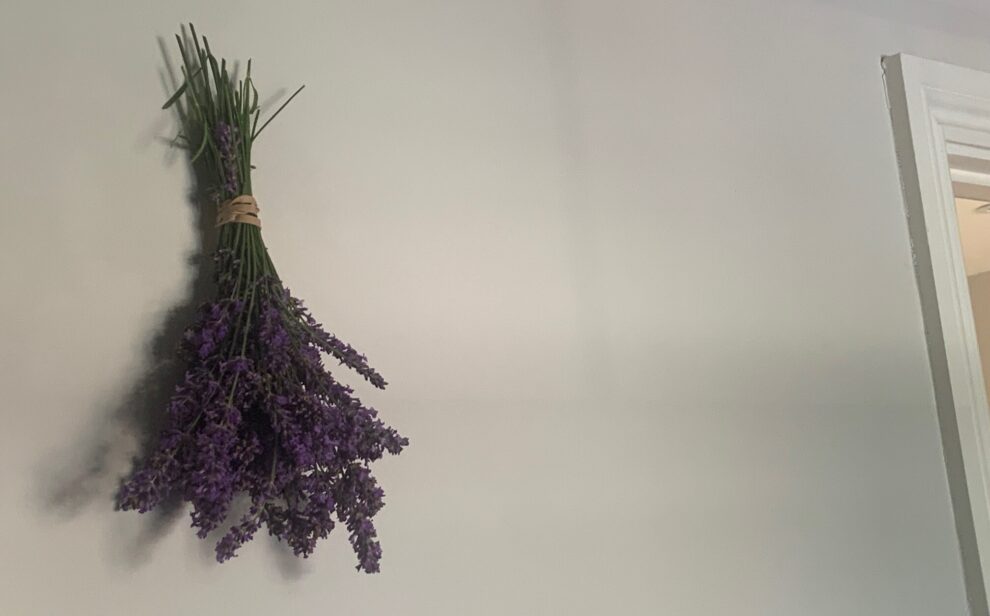
If you cut and dry lavender, you can preserve the flowers and make use of them. Drying lavender is straightforward, involving minimal equipment plus some drying space.