

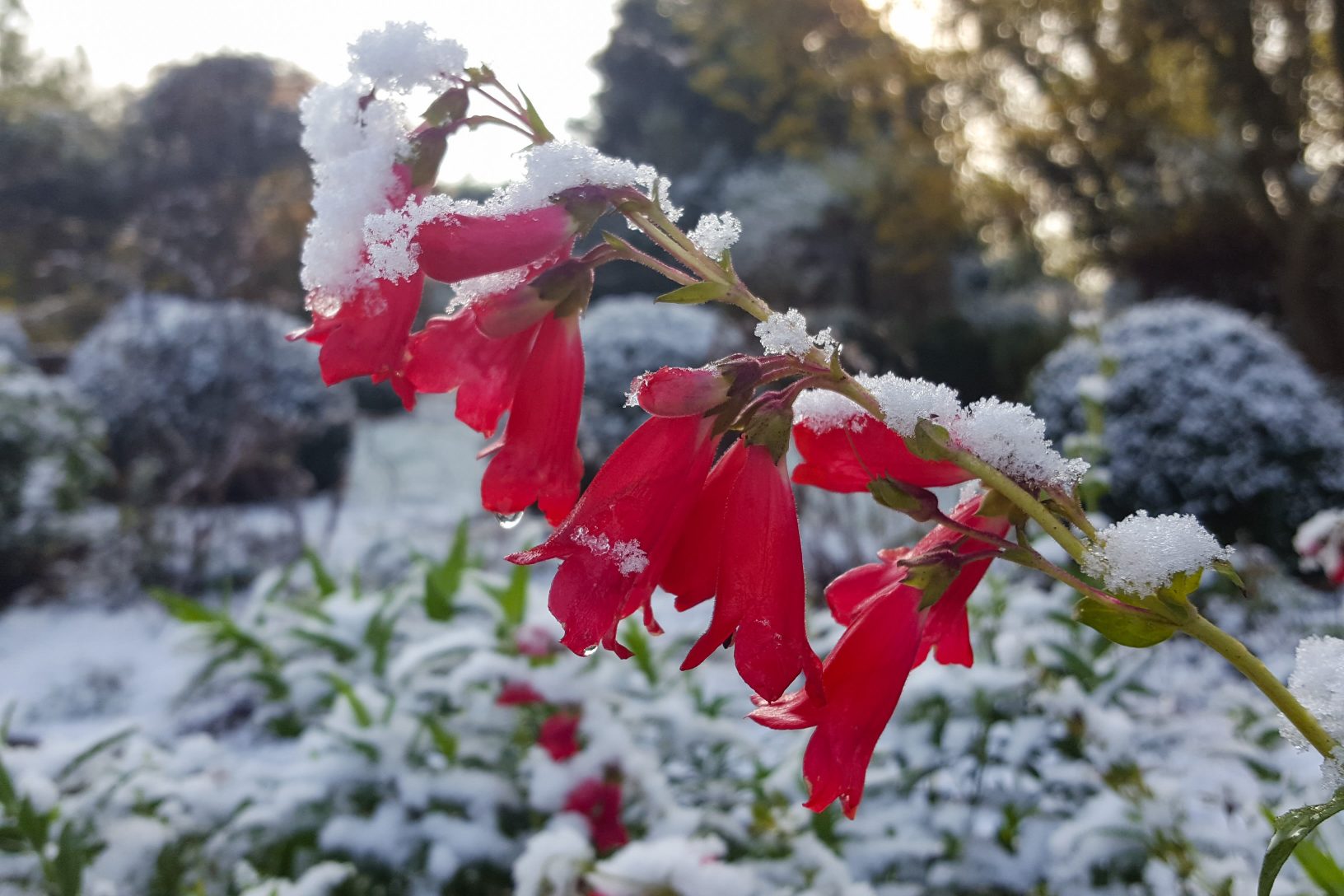
The winter months are ones to keep your plants protected. Plants like penstemons may appreciate a good layer of mulch around their base. Some special plants, like tree ferns, can be wrapped in horticultural fleece.
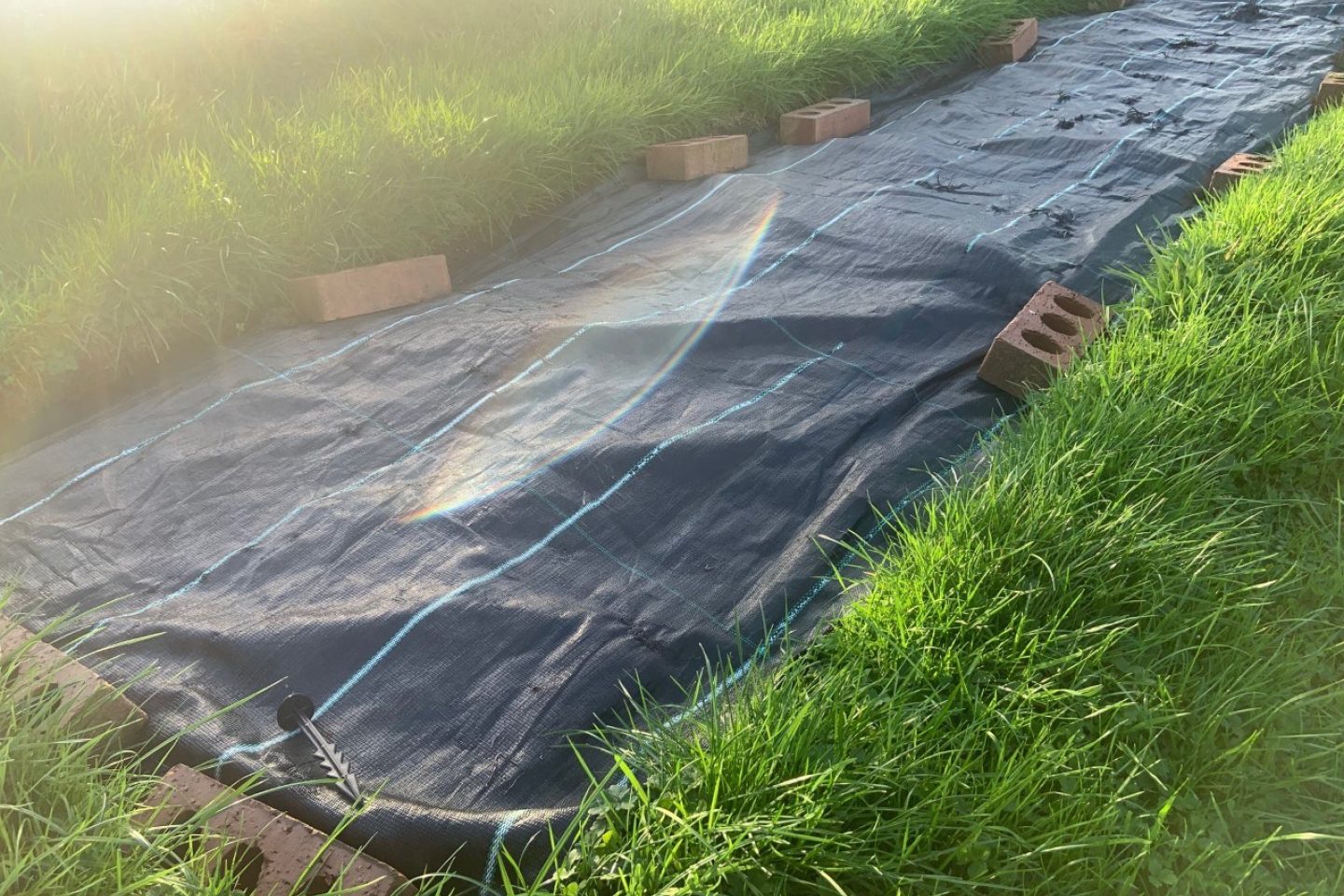
If you have areas of bare soil in empty vegetable beds, you could cover them with membrane, plastic sheeting or even old carpet. This will protect them from the hammering impact of rain.
Find more advice in our guide to protecting gardens during winter.
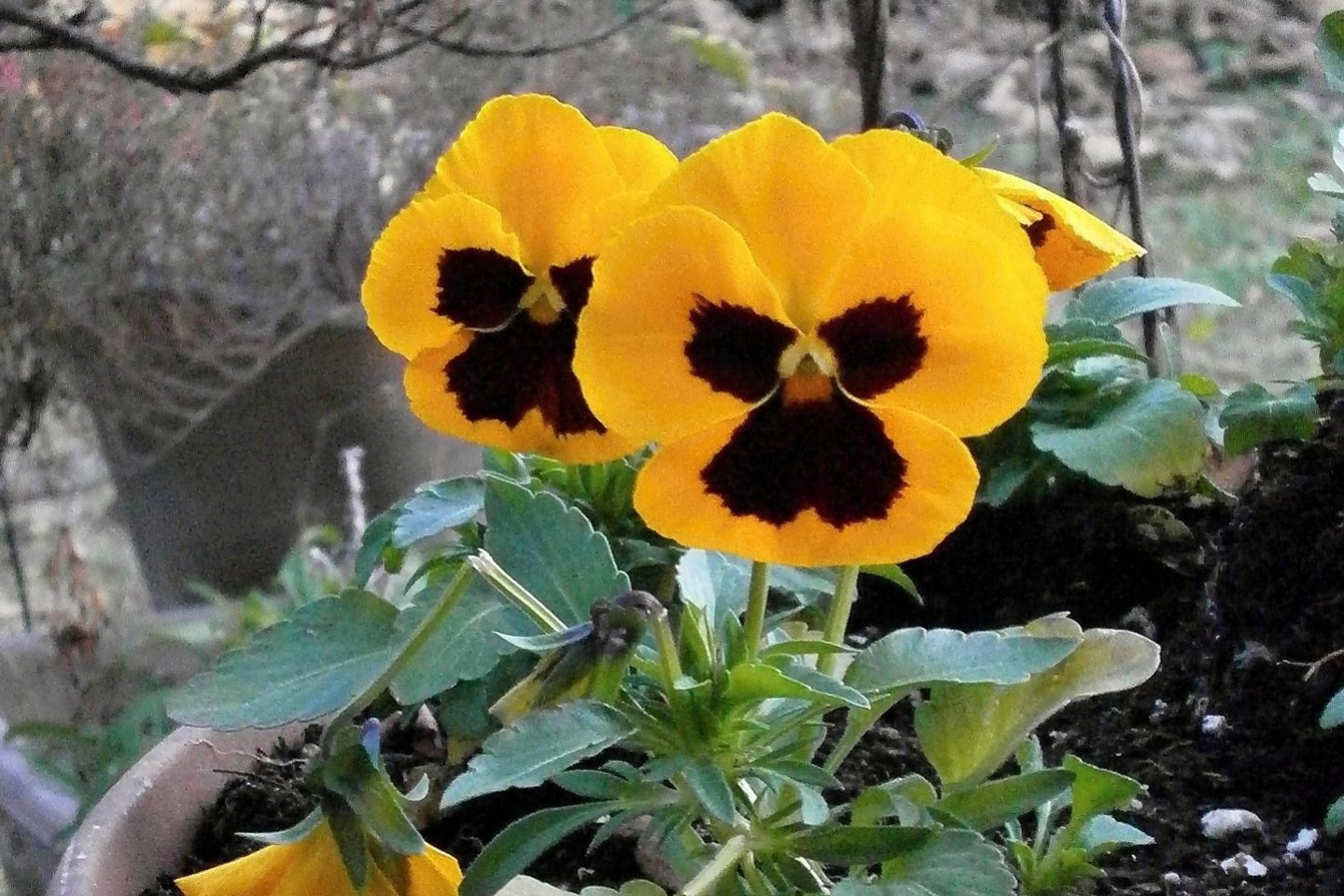
Keep a close eye on plants outside in containers. Remove fallen leaves or other debris that land on them, as they could lead to disease.
Check your containers are not getting waterlogged (i.e. you don't want the soil to be completely soaking). Smaller containers can be put on blocks or 'pot feet' during winter. These lift the container off the ground, so water can drain away more easily.

Wildlife will appreciate it if you provide a varied diet of food. Well-stocked bird feeders with seeds, peanuts and fat balls, will help encourage birds into your garden.
Also give them some fresh water to drink. Make sure you keep any bird tables and feeders clear of snow and ice.

Winter is a good time to prune woody plants, with limited risk of upsetting any nesting birds. Now is a good time to prune fruit trees, for example, by getting rid of dead, diseased and damaged wood and removing any weak branches rubbing against another.
Read our guide to pruning for more advice.
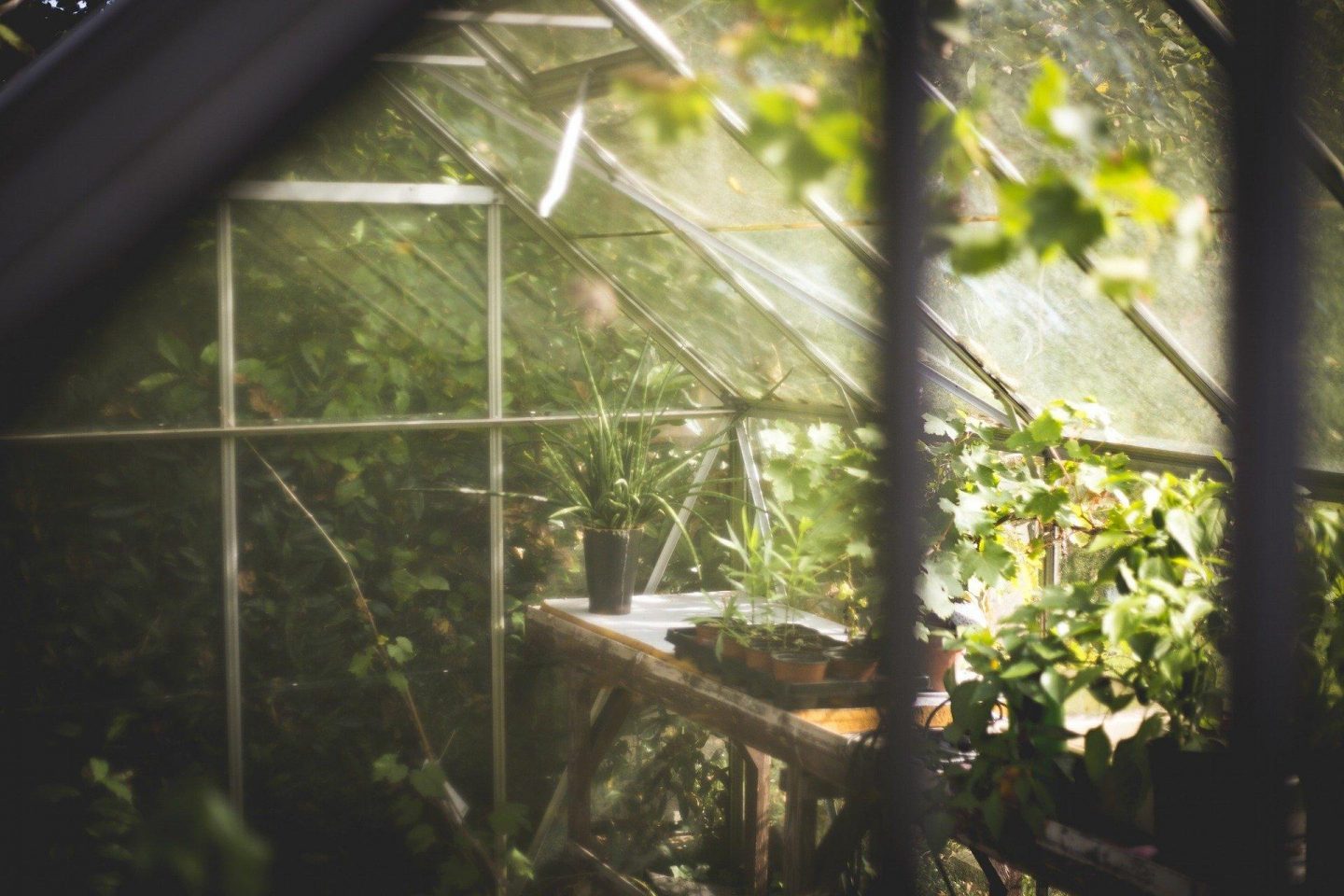
You may be amazed to hear, some seeds can be sown in December. Winter lettuce, microgreens and garlic cloves can all be sown this month.
Generally, these need to be sown in a greenhouse or inside on a sunny windowsill. Read our guide to growing in the greenhouse in winter for more advice.
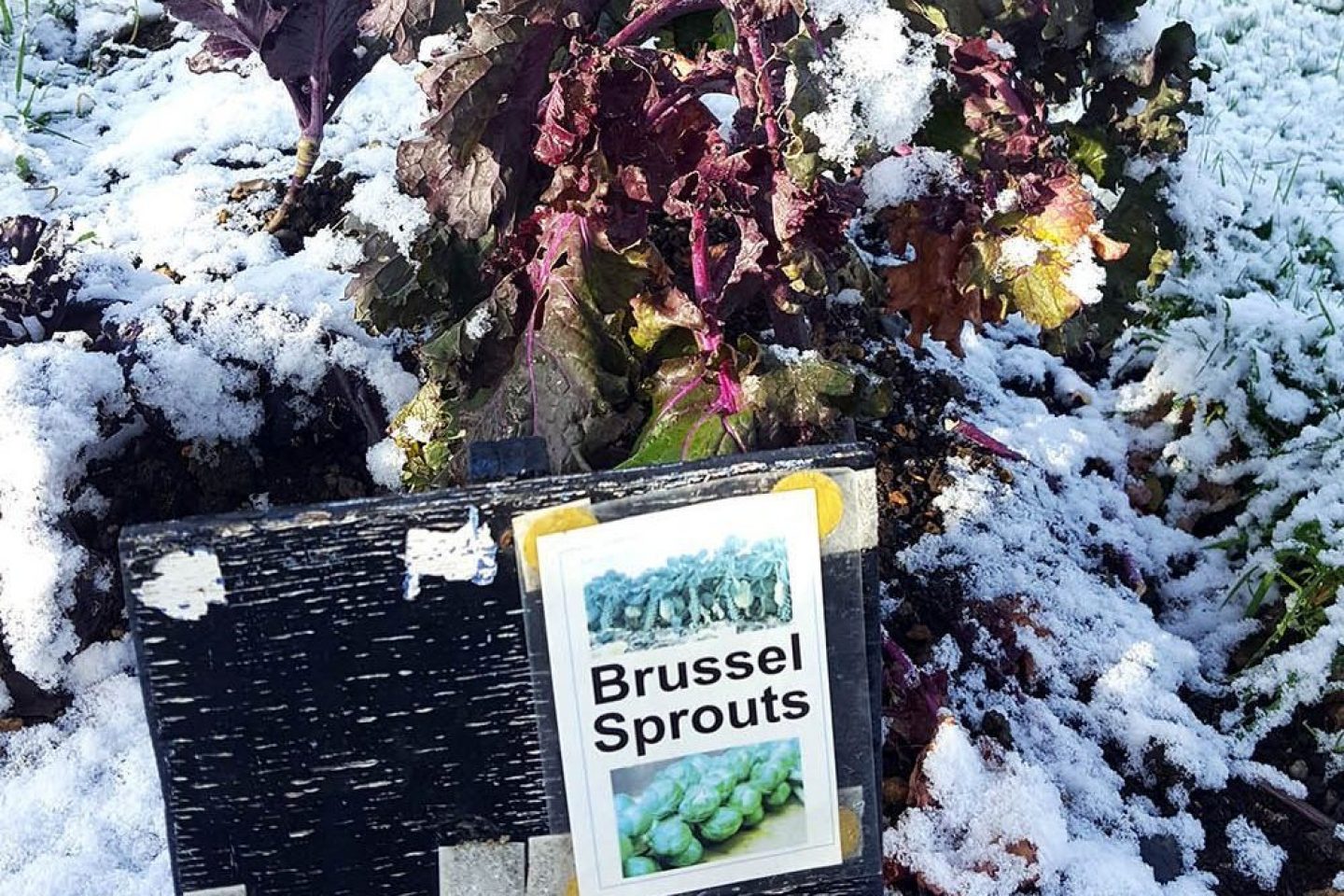
Keep harvesting winter crops like parsnips and, of course, those Christmas Day favourites, Brussels sprouts.
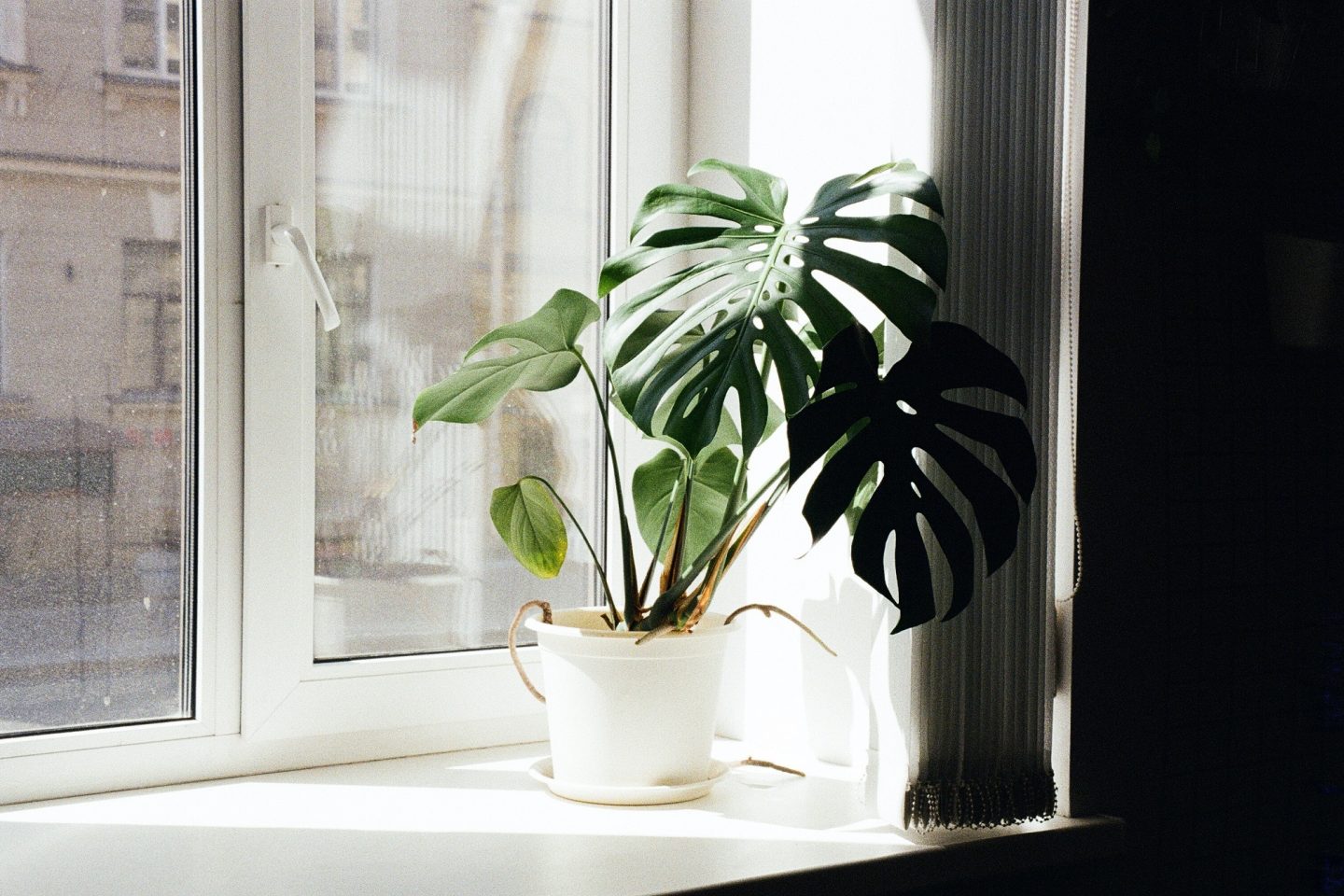
If you are spending time indoors, there is plenty you can do in December to get the benefits of nature.
Give houseplants light
As December hurtles towards the shortest day, houseplants need as much light as possible. Move them to the brightest windowsills and give them a turn every few days to ensure even growth.
Sort and order seeds
If you have any old packets of seeds, check if they are still in date. Some seeds last for several years if stored carefully.
This is a good time to plan what you would like to grow next year and order seeds. That could be tried and tested fruit, vegetables and flowers. Or, you could add a few plants you’ve never grown before.
Clean pots
The quieter winter months are the perfect opportunity to do some early spring cleaning!
Cleaning and removing dirt from planting pots and trays can avoid passing any diseases / bacteria to plants. Scrub pots and trays in hot water, let them dry, then stack away ready for the new season.
Be creative
If you fancy an indoor project, you could try one of these creative activities:

During the coldest months of the year, you may be able to keep growing in a greenhouse. Find out what to sow each month, along with tips for the winter greenhouse.

