Create a PDF version
If you would like to create a PDF version of this information, click on the purple printer button at the top right of the article. This allows you to easily save and print.

If you would like to create a PDF version of this information, click on the purple printer button at the top right of the article. This allows you to easily save and print.
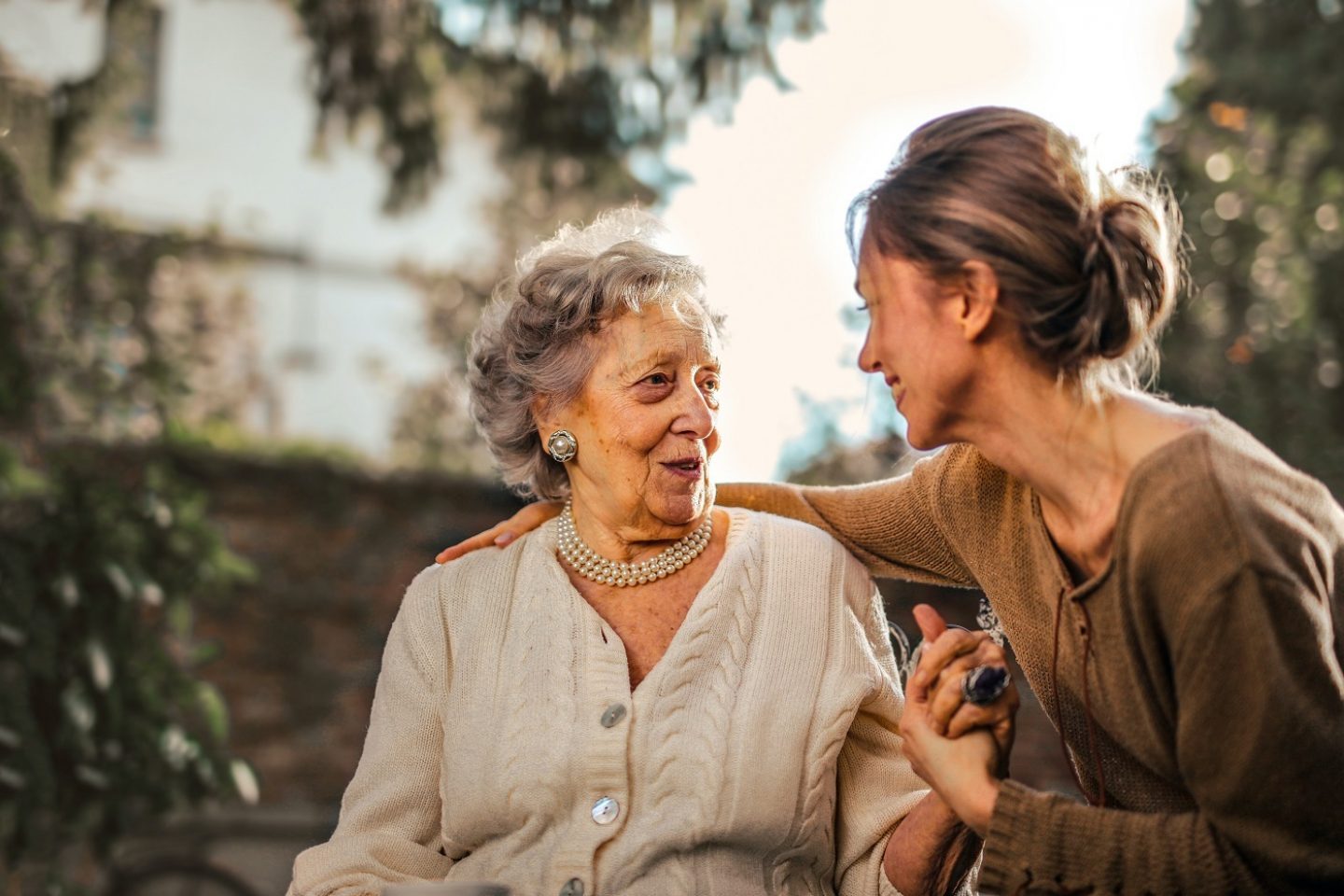
If you are a carer, you are one of the vast number of people in the UK who care for someone. As well as paid, professional carers, more than 10 million people are estimated to provide unpaid care. That’s around 1 in 5 adults looking after ill, elderly or disabled family members or friends.
The charity Carers UK publishes a State of Caring report every year. The report looks at unpaid care in particular. In 2022, their survey revealed that:
Carers are so incredibly important. The support of unpaid carers in the UK during the pandemic is thought to have been worth £530 million a day!

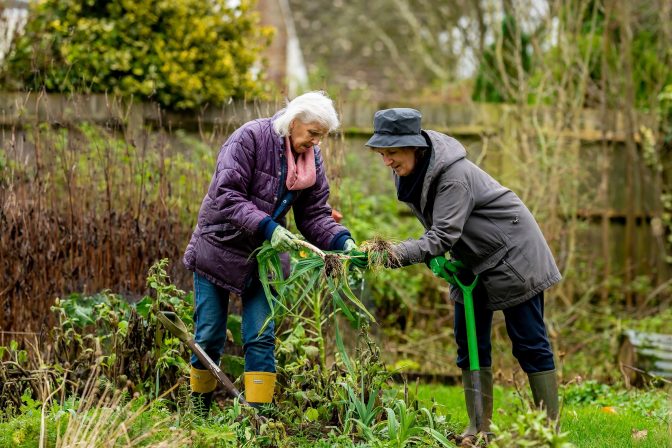
If you are caring for someone, you can help improve their wellbeing through gardening and nature.
Doing gardening means I’ve got my life back, all possible and achieved with the love of my carer and my garden.
Ron, stroke survivor
Gardens and nature can support physical and mental wellbeing in many ways. They can help achieve the five ways to wellbeing, developed by the New Economics Foundation. These are:
You can use gardening to support your own health. Research undertaken during Carers Week highlights some of the health concerns faced by carers.
For example:
The wonderful thing about gardening is its flexibility and variety. You may have a large garden, small patio, or just a windowsill. You could be quite knowledgeable or not know where to start. Gardening is very forgiving, and you can simply learn as you go along.

Before you start gardening – whether with the person you care for or alone – there are some things to think about and talk through first.
1. What is most enjoyable?
Talk to the person you care for about what they like best about the garden. What is most enjoyable can influence what to put energy and time into, for example:
2. Discuss any limitations you may both have within the garden
This can help define:
You may want to talk about how involved the person you care for would like to be. Any past gardening experience may be good to discuss – perhaps they can share some of their knowledge.
Perhaps you just need to help motivate someone to try gardening activities or get outside.
Gardening again has raised my morale … the pleasure of seeing the seeds grow and actively participating is most rewarding.
Rita, gardener, stroke survivor
The person you care for may need to make some adjustments to how they do things, depending on any health condition. We have advice on this below.
Some gardening activities are more challenging and involve specialist equipment, such as hedge trimming, developing pathways or doing a major garden tidy. You could look into getting extra help for these.
Many people think gardening is easier and more fun done with another person. Lots of activities can be planned together in some form.
My wife has dementia and sharing gardening is a joint activity we enjoy.
Survey respondent, gardening and dementia
If you are unsure what to do and how to do it, we have a section on suggested gardening activities below.
The person you care for may not want to, or be able to, help with gardening activities. There are still ways to keep them involved, so they can enjoy the experience. They could watch you doing it and you could talk about it together. Or, they could quietly enjoy spending time in the garden and seeing what’s changed.
I’m supporting my husband with young onset mixed dementia, so we spend a lot more time at home. Gardening gives me a focus and valuable time outdoors and hubby enjoys looking at the results.
Survey respondent, gardening and dementia
Having the opportunity to sometimes tend the garden alone may be important for you. It could provide a valuable break from caring.
Gardening gives me opportunity for some social interaction. It gives my carer a break / helps her mental health.
Survey respondent, gardening and dementia
3. Think about any changes needed to the garden

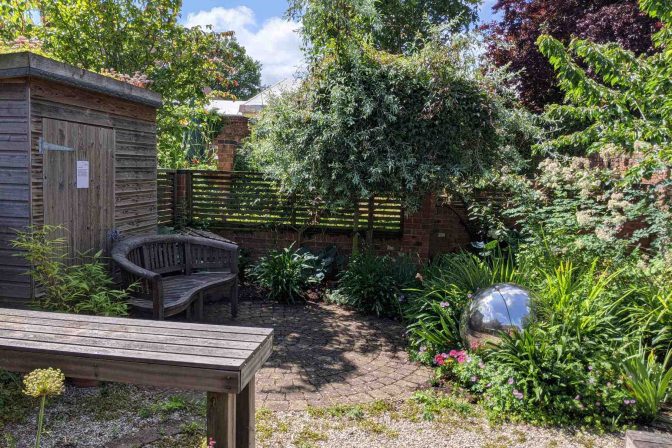
A well-designed garden can be a safe and enjoyable place. It may be helpful to make a few changes to the garden, such as:
Read our guide to accessible garden design for more advice.
Having a bench nearby to sit upon to rest, watch nature, and meditate has been wonderful.
Survey respondent, gardening and dementia
Many changes can be small and easily made. If you think the garden needs bigger changes, like making hard surfaces flat and even or adding a ramp, these are more costly and may require outside support. Our guide to getting help in the garden may be useful. It includes some possible sources of finance.
4. Adapting for health conditions
Gardening and time in nature should be enjoyable and comfortable. If you care for someone with a health condition, or combination of conditions, they may need to do things in a different way than they used to.
They may well have plenty of their own ideas of how to adapt for their condition.
If you would like extra advice, you can find articles with specific information on this website. These include:
Gardening when blind or visually impaired
You could also consult with their Occupational Therapist if you have queries or concerns about gardening activities you are planning to do.
If you are looking for advice on a particular health condition and can't find it, send us an email. We will be happy to do our best to help.
5. Tools and equipment

Often, gardening activities can be done with a small number of inexpensive tools.
There are specialist and adapted tools available that can make some activities easier. These include:
It is only worth getting new tools as and when they are going to be used. And, whenever possible, try the tool before buying to make sure it’s comfortable.
Find advice in our guide to specialist and adapted tools

If you are supporting the person you care for in the garden, these tips may be helpful.
Be well prepared
A little preparation can make all the difference. Have clothing on that suits the season. Do a simple warm-up exercise together, like some stretches, or a short walk around the garden.
Gather all the tools and equipment needed and bring them to the place you will be working. This will save you from having to make lots of trips and allows you to concentrate on the activity.
Break activities down if needed
If any activity seems difficult for the individual to do, you can break it down into smaller, manageable steps. This can help the person doing it to stay motivated.
Some questions to think about when planning an activity include:
Many of the activities on this website have a step-by-step guide you can follow.
Let them work at their own pace
With gardening, the ‘doing’ is just as important as the result. Let the person you care for work at their own pace. Try to offer guidance without taking over – unless requested.
Don’t worry if something isn’t finished, or done ‘properly.’ Celebrate each little step.
Avoid strain
Lifting heavy things, or bending uncomfortably for long periods, can cause strain. Make sure you are working comfortably. Try not to stay in any one position for too long.
Take regular breaks
Breaks are really important to avoid strain or getting too tired. They are the perfect opportunity for a refreshing drink and something to eat!

When planning what to do in the garden, energy level and motivation can be important.
If you are getting started, you can pick simple small-scale activities, like planting a container. You could build up to more physical activities over time, if it’s right for the person you are caring for.
These are some suggestions based on different energy and physical levels. Many of these can be done most of the year around. We have included the suggested time of year alongside the activity.
Light physical activities
More energetic physical activities
Time in nature

These activities allow you to simply be involved with nature, whether for a couple of minutes or longer.
Join our Gardening Club. It’s free! We will send you a fortnightly email newsletter with inspiration, tips and activities.
Indoor activities
Some of the light physical gardening activities can be done indoors. Or, if you would like to do something quieter, try one of these:
There is also all manner of craft projects to be enjoyed indoors. You could try:
Do you care for someone and have any tips or advice to share? It could be an activity you have really enjoyed, or just how gardening has been of benefit. Do drop us an email – we would love to hear from you.

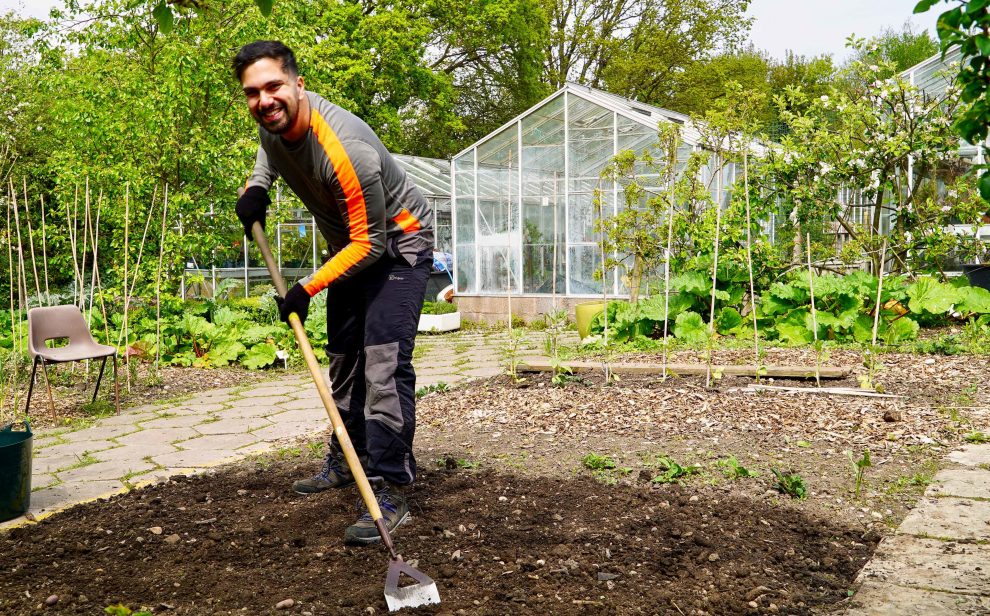
You may already have green fingers, or you may have never gardened in your life. Whatever your experience, there are many ways gardening can improve your health and wellbeing.