Share with us
Do you have any good ideas for plant labels? We'd love to see! Share your photos with us by emailing info@thrive.org.uk
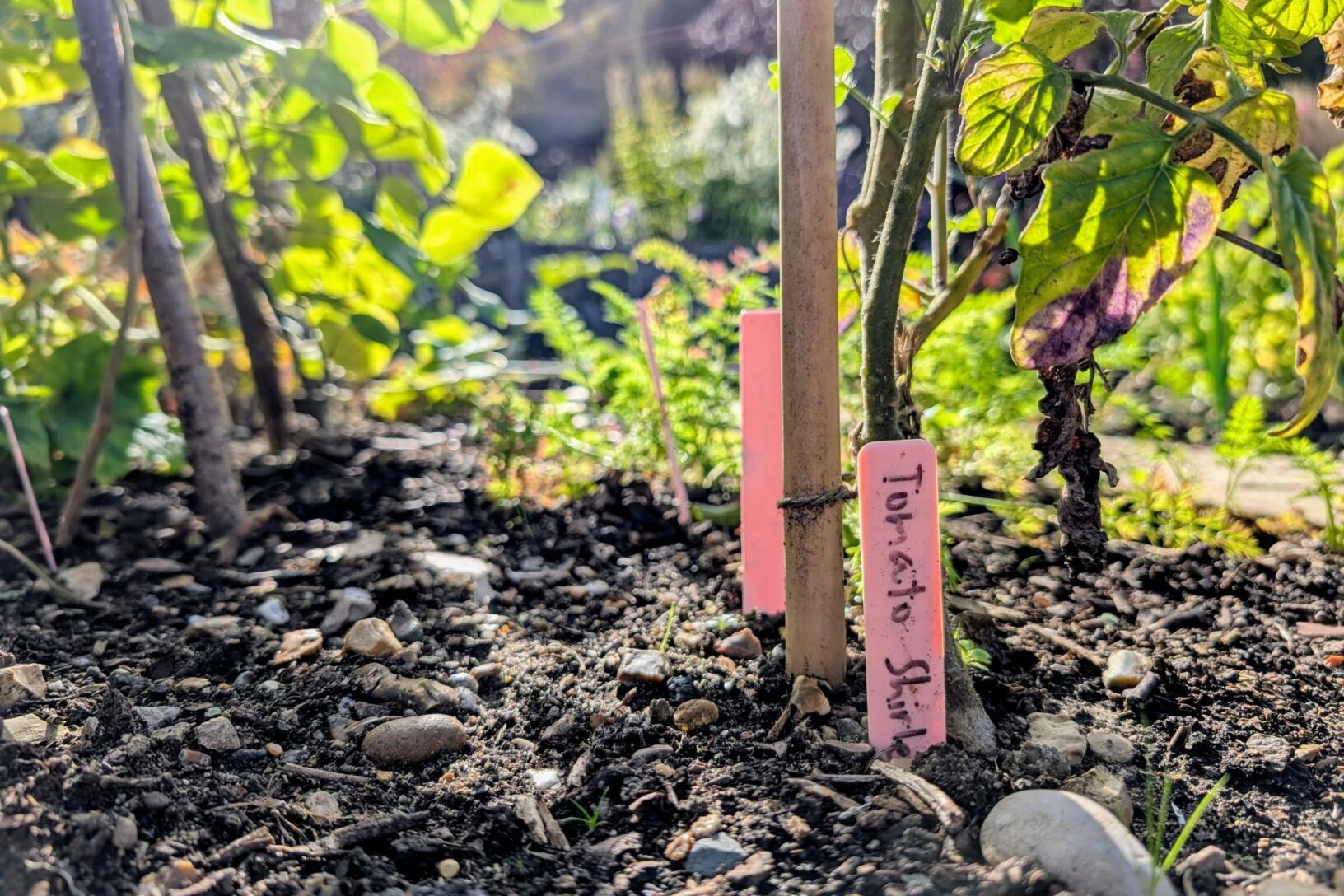
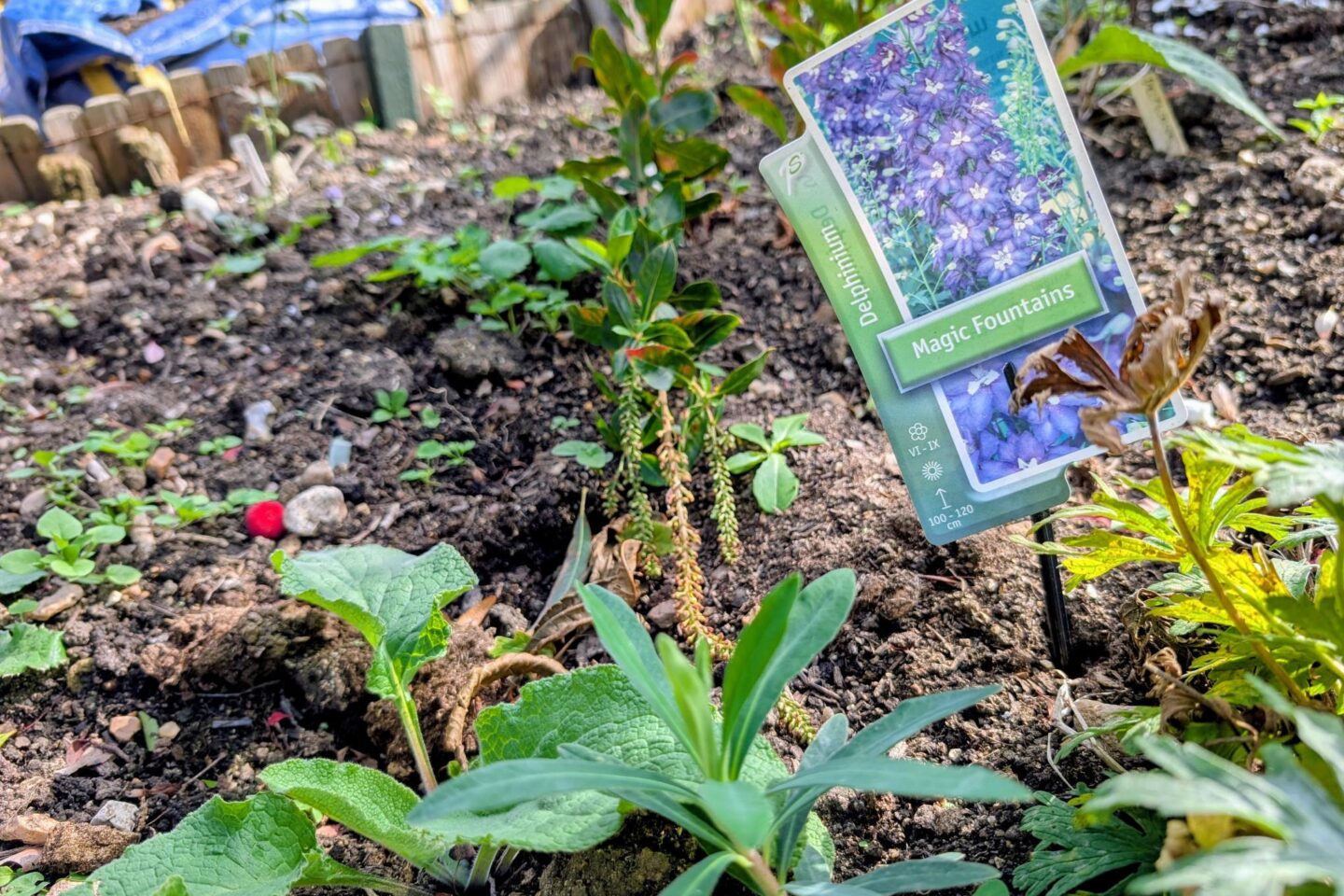
You don’t have to add plant labels in your garden. But there are many good reasons to have them.
1. Identifying plants
Perhaps the most obvious reason for having plant labels is so you can tell what you’re growing!
As well as the enjoyment of knowing the names of your plants, this allows you to make sure you are giving them the right care.
This can be especially useful when you are growing lots of plants or have similar-looking plants in the garden.
2. Monitoring growth and care
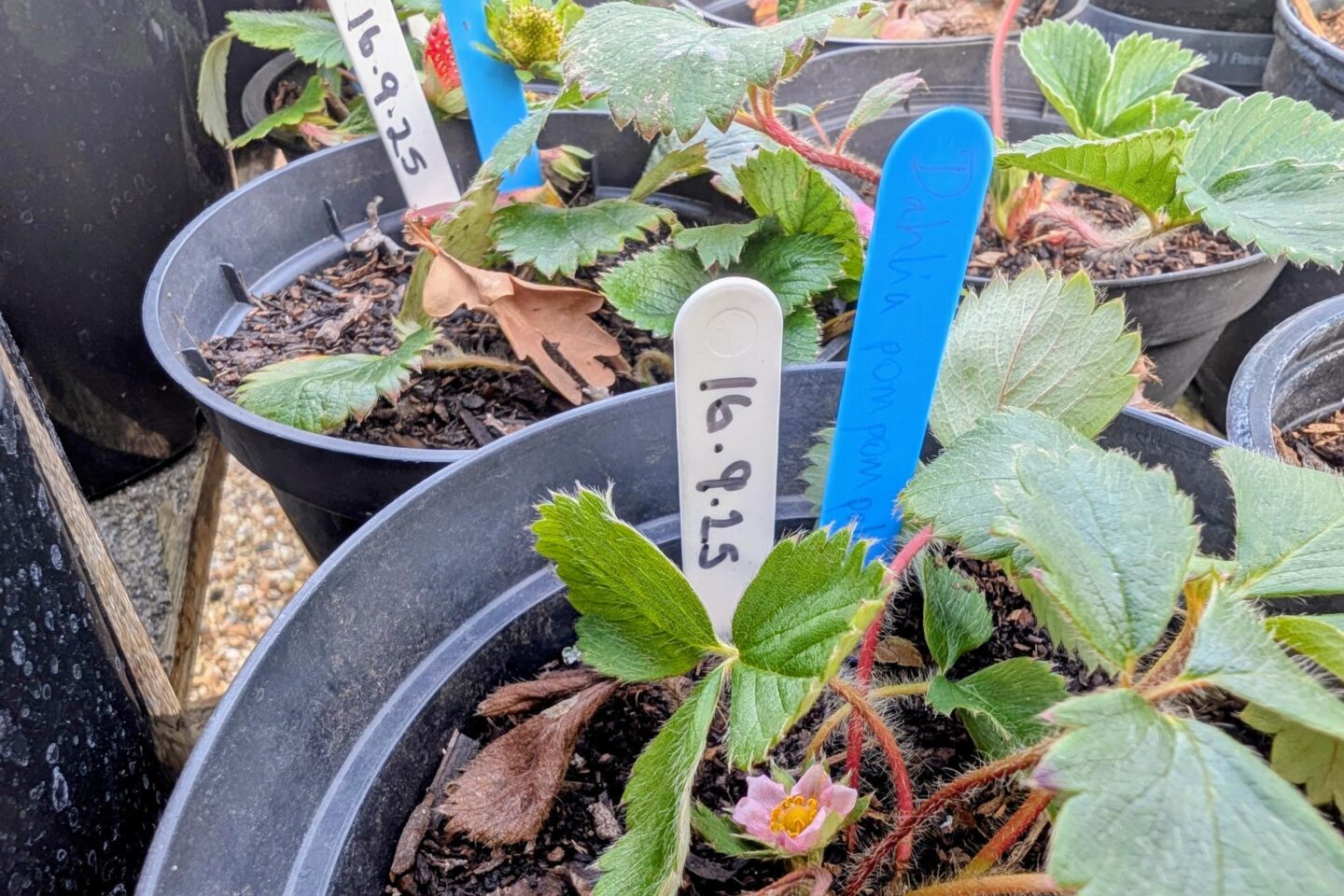
You can include dates on plant labels. When sowing seeds, this is very helpful to know what to expect, when. Or, to plan for successional sowing (sowing seeds at regular intervals, so they flower or produce food over a longer time).
3. Distinguishing from weeds
By labeling your most-wanted plants, it becomes easier to avoid accidentally removing them when weeding.
4. Remembering where you’ve planted
It can be easy to lose track of where you’ve put things, particularly when sowing seeds or planting bulbs which are initially under the soil.
When growing food, this can also be a good reminder for crop rotation.
5. As part of garden design
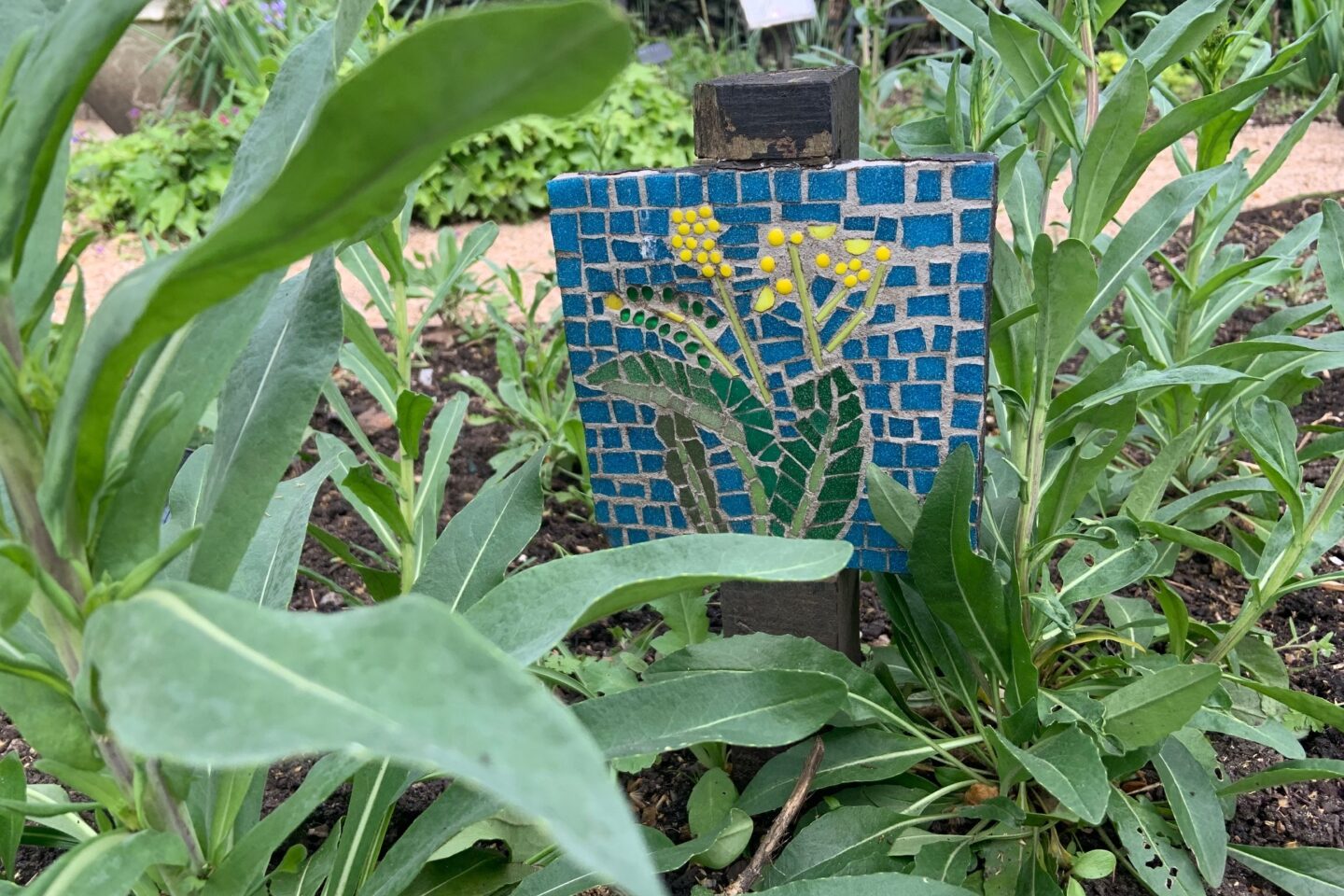
Plant labels are practically useful. But you can also make them an enjoyable part of garden design, by choosing materials or colours you like in your space. There is also the chance to be creative, for example by painting stones.
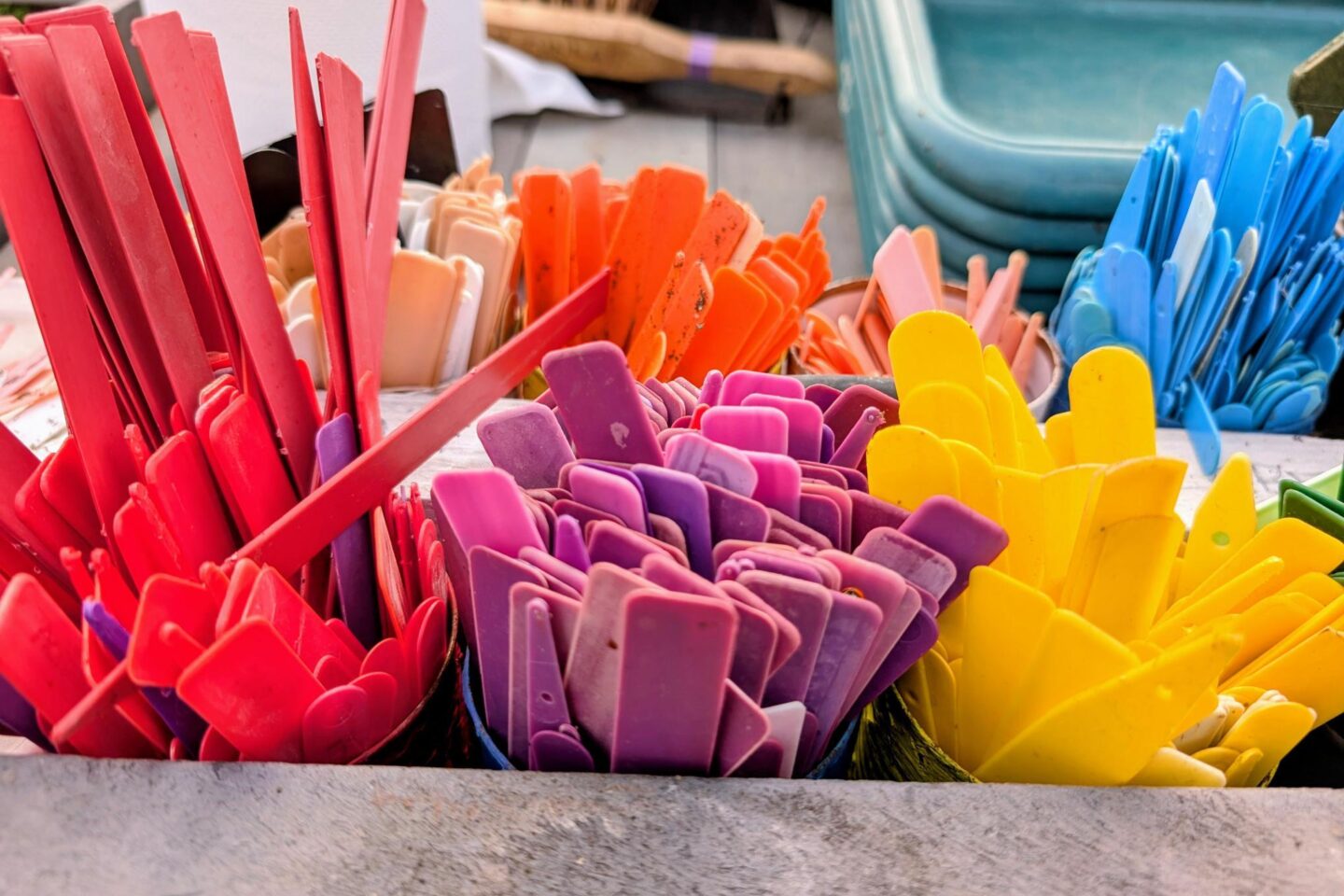
There are lots of different plant labels available or ways to make them. Here are some different options, along with their pros and cons.
Plastic plant labels
These are cheap to buy and easy to find. You can find a variety of sizes and they are easy to write on with a permanent marker pen.
Plastic labels are fairly weather-resistant, but will eventually get brittle and snap. They are also not environmentally friendly.
Best for: short-term use, e.g. seedlings and annuals
Wooden labels, e.g. lollipop sticks, stakes
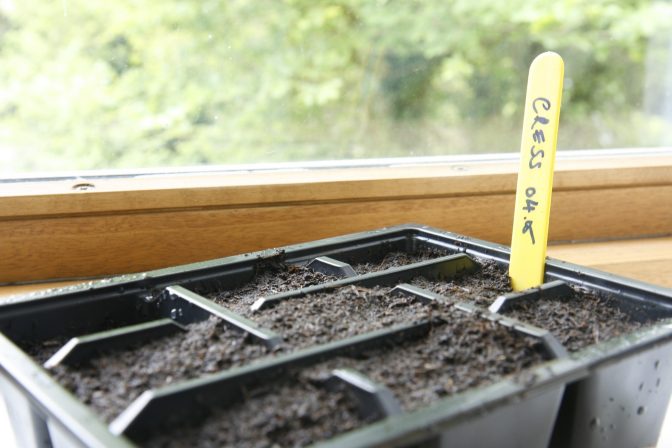
These are low-cost (especially lollipop sticks). The natural material looks good in the garden and is biodegradable.
Writing will fade or run over time and the label will eventually rot or go mouldy.
Best for: short-term use, with a better environmental footprint than plastic
Metal labels, e.g. copper, aluminium or stainless steel tags
Metal labels are long-lasting, able to resist all sorts of seasonal weather. They look very stylish. Some come pre-engraved with popular plant names, particularly herbs.
Metal labels are generally more expensive than other options. You can write on them with a marker pen, which will eventually fade, or you can use an engraving or an embossing tool, which involves a bit more work.
Best for: labelling longer-lived plants, e.g. perennials and trees
Slate labels
A bit like metal labels, slate ones are long-lasting and stylish.
They are also more expensive than other options. You will need a paint marker pen if you want the label to last, or you can use chalk if you are happy with a label that can be easily washed off and reused.
Best for: labelling longer-lived plants, or re-using if writing in chalk
Seed packets on sticks
You can add an upside-down seed packet to a stick as a visual plant label. It allows you to see exactly what you’ve planted and remind yourself of care instructions.
Seed packets will soon disintegrate in prolonged heavy rain. You might need to tape them to the stick, too, to avoid the packet being blown off.
Best for: short-term labelling of newly sown seeds
Laminated paper
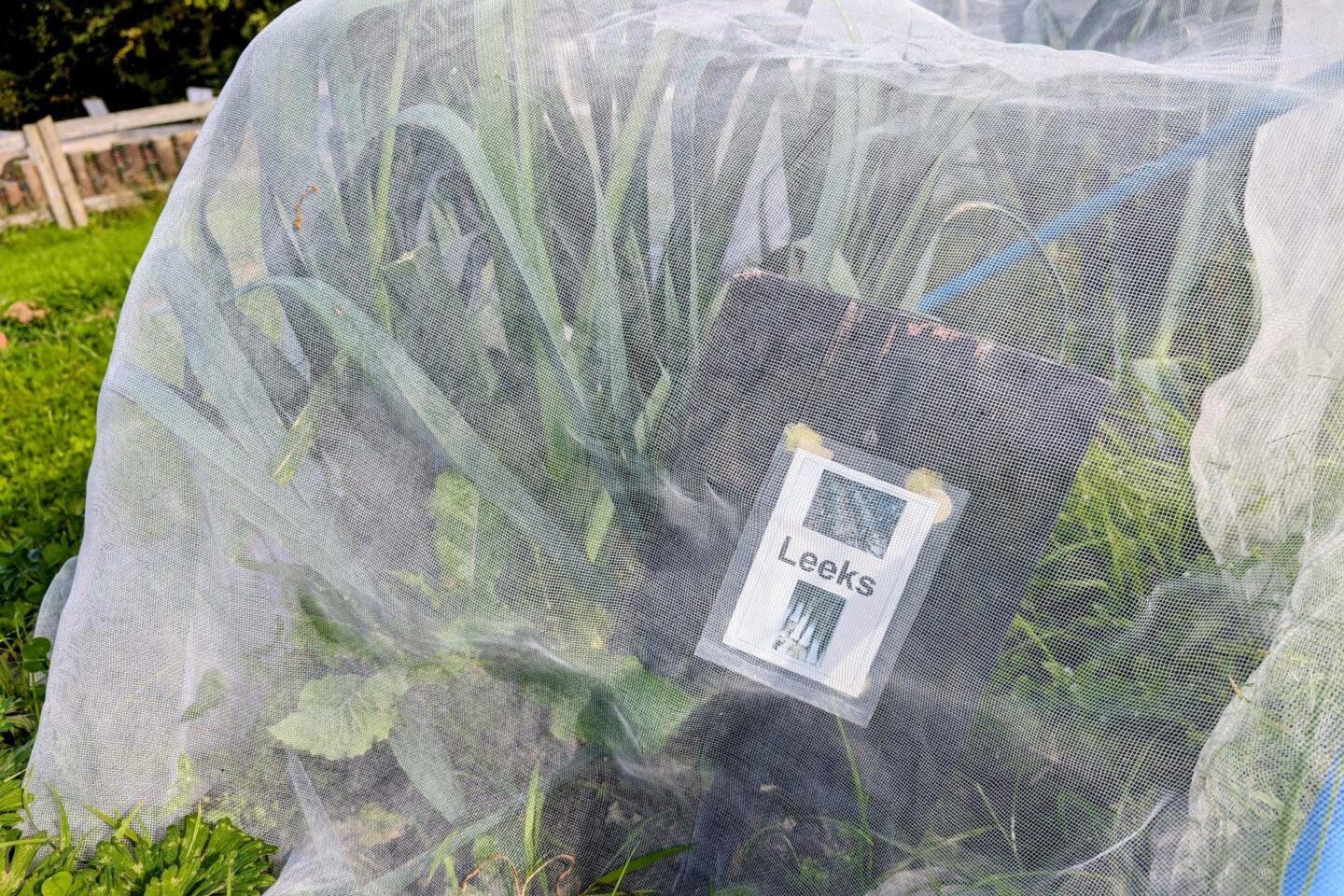
To combine durability with bespoke wording or pictures, laminating paper is a good option. You can create longer text labels or image-based ones. These can be great to help anyone with visual impairment or cognitive differences.
You need to take care that your laminating is fully waterproof. As with plastic labels, this is not a very environmentally friendly option.
Best for: bespoke information, supporting people with visual or cognitive needs
There are many more options besides these, from painted stones to reused corks and yogurt pots. Explore our plant label gallery below for ideas.
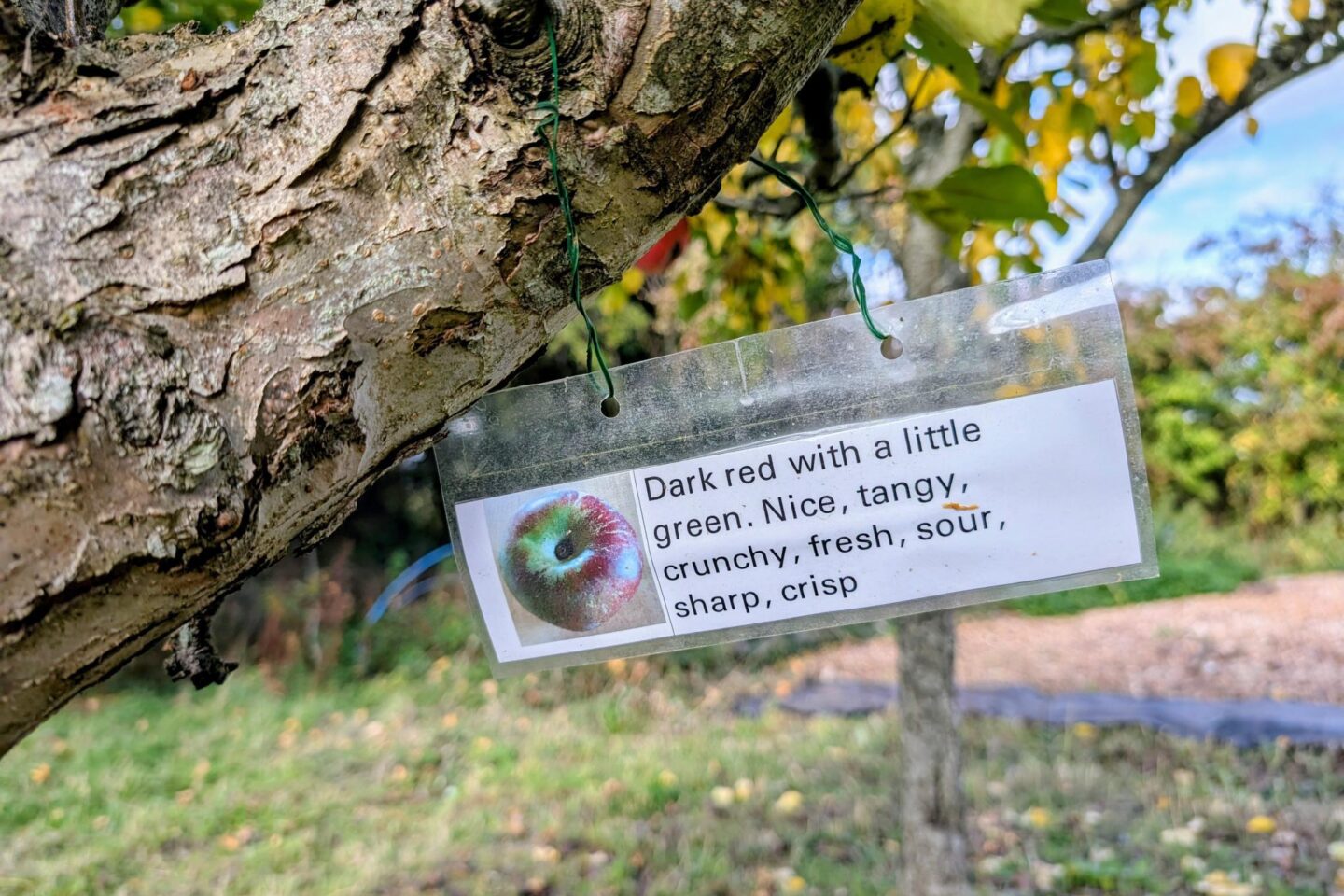
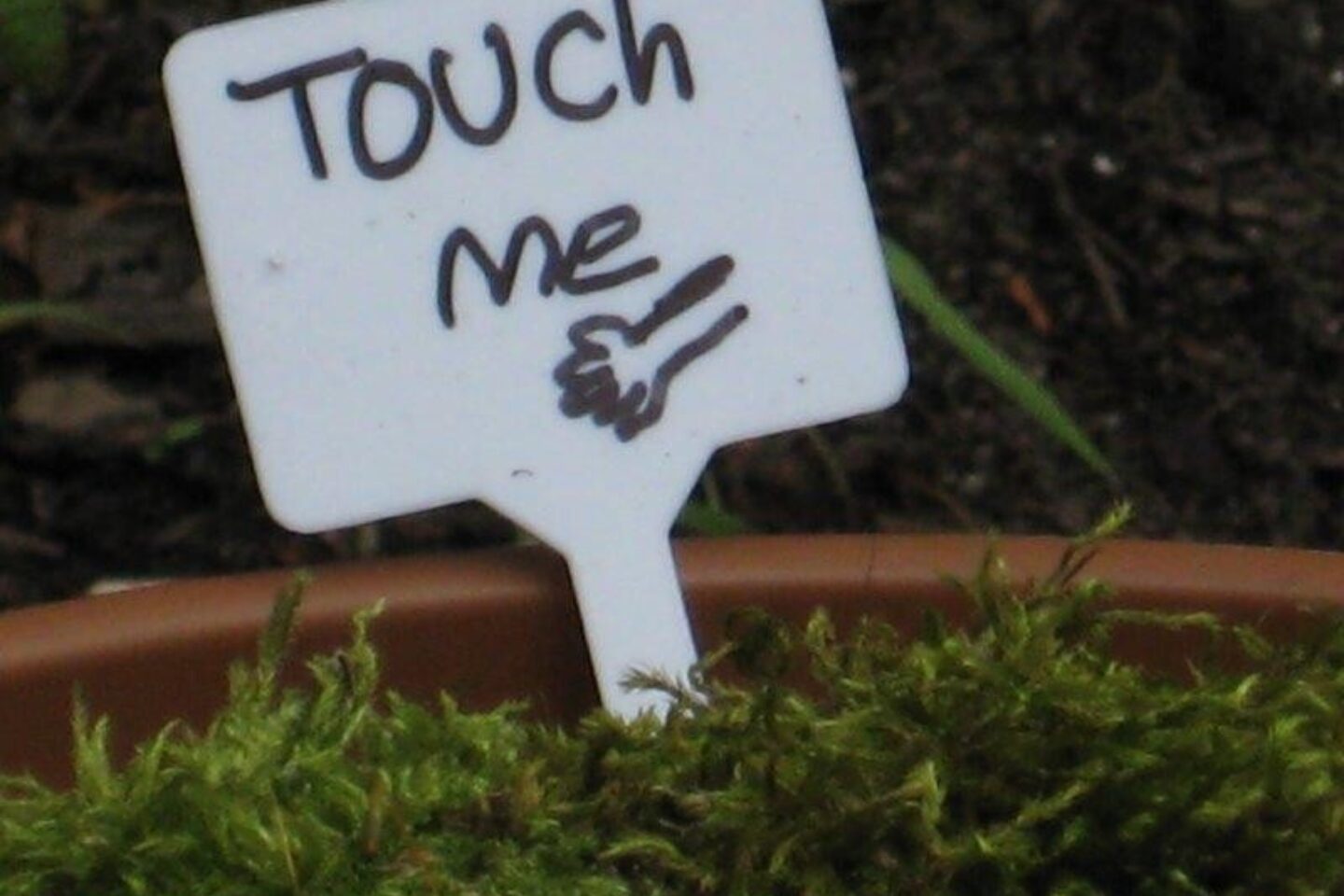
These are some plant label ideas for different needs.
Plant labels for seed trays
An ideal label can be tucked in the seed tray but has enough room to write the plant name and date the seeds were sown.
Plastic or wooden stakes, lollipop sticks and seed packets on a stick all work well.
Plant labels for vegetable beds
An ideal label will last outdoors in a variety of weather and clearly show the crop name.
Plastic or wooden stakes, laminated labels or slate labels are all good options.
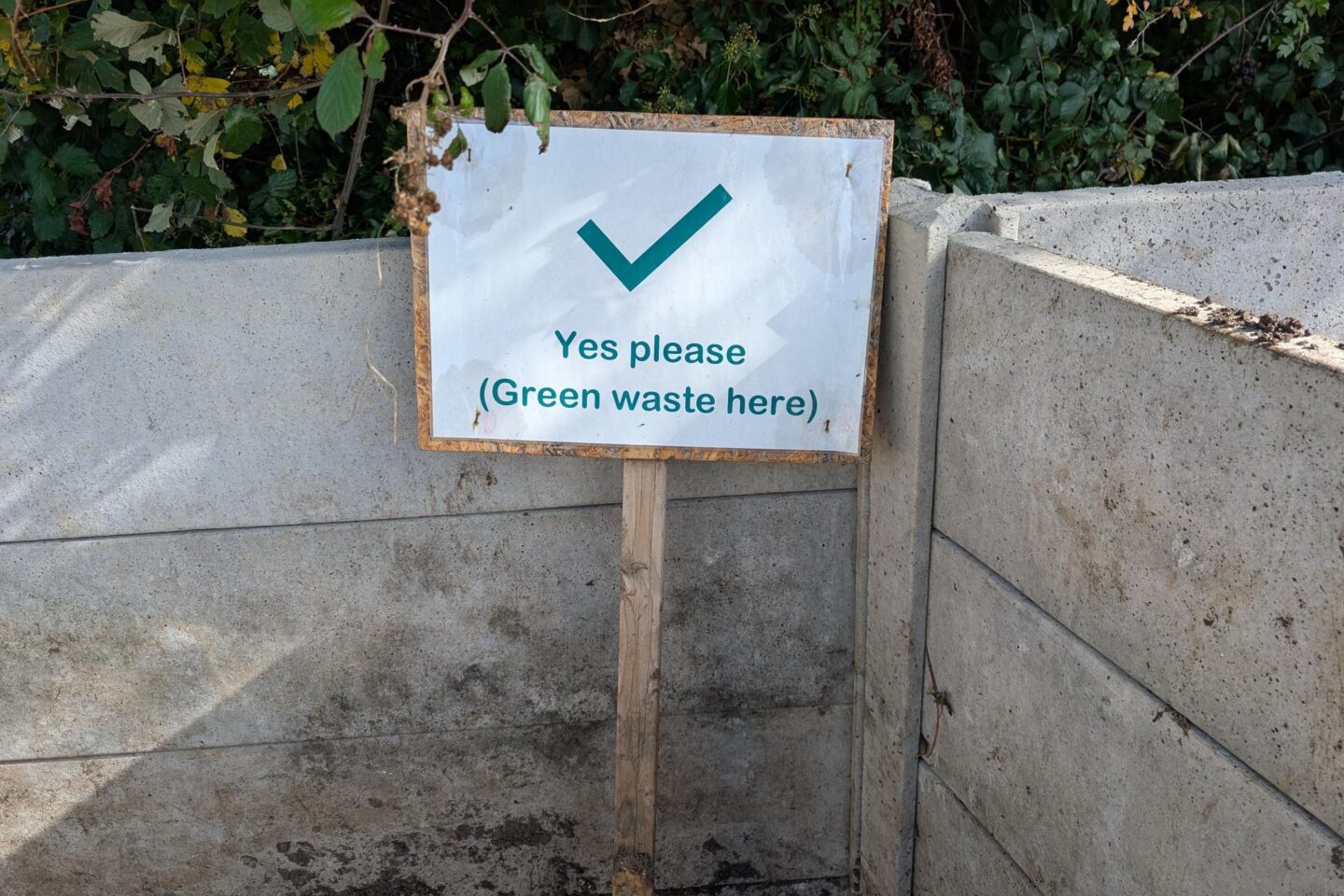
Labels for non-plant items
Labels are helpful for a wide variety of items in the garden and not only for plants. They can be used:
Plant labels when visually impaired
If you or someone you support has any visual impairment, there are plant labels available that are easier to read.
These include:
Plant labels for easier understanding
If you or someone you support has any cognitive differences, these plant labels may be helpful:
Find plant label inspiration by browsing our gallery of plant label ideas.


Do you have any good ideas for plant labels? We'd love to see! Share your photos with us by emailing info@thrive.org.uk

Many plants that grow tall will benefit from being tied to a stake in the ground. We look at which plants could use this support and how to do it.