


By horticultural therapist and former occupational therapist Ed Bowring.
In occupational therapy, our occupation doesn’t only mean our job title or what we do to earn a living. It also includes all the activities we do and the roles we perform in our lives. This could be things we do alone or with others, through necessity or by choice.
Occupational therapy is based on the theory that we need a balance of occupations to function well and not feel overwhelmed. A balance of self-care (including rest), productivity and leisure are vital for our wellbeing.
We all need a combination of occupations. Together these give us meaning and purpose, challenge and opportunities for flow and relaxation.

Like any activity, you can think of gardening as an occupation. This doesn’t just mean a working role for a professional gardener. It is also an occupation for anyone who likes to garden in one form or another.
However we garden, it can give meaning and purpose to our lives. In turn, it can help contribute to our mental and physical health and wellbeing.
Ed Bowring, Horticultural therapist
We may garden for pleasure on our own or with others, grow food to eat and share, or flowers to appreciate at home. However we garden, it can give meaning and purpose to our lives. In turn, it can help contribute to our mental and physical health and wellbeing.
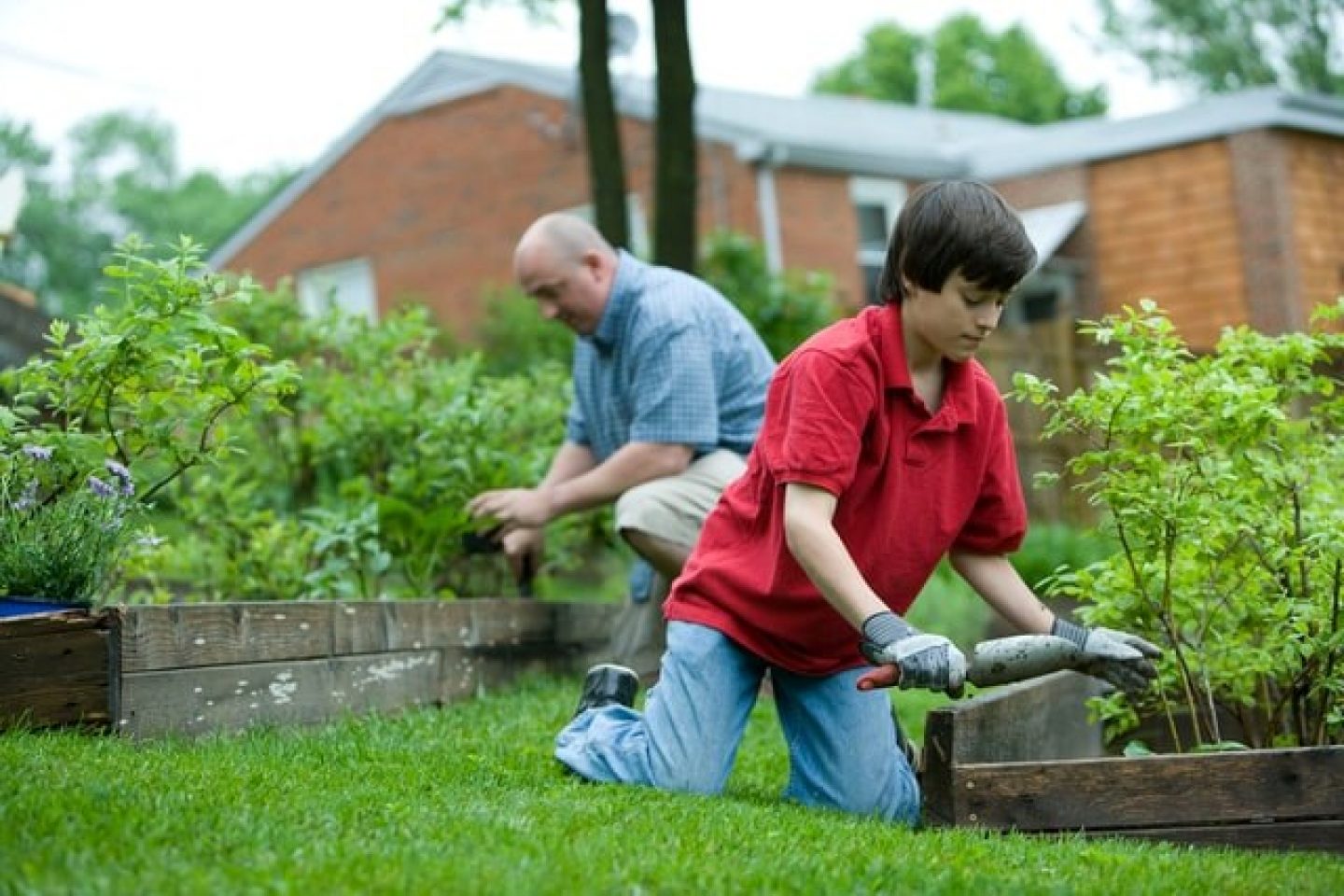
The term ‘flow’ has been defined as: “A positive feeling that occurs when there is a balance between perceived challenges and that person’s skills. It may include enjoyment, intense or complete involvement, deep concentration or the loss of time.” (Csikszentmihalyi & Csikszentimihalyi, 1988).*
We experience flow when we do something and become lost in the activity. We may reach the point where we forget about everything else - including our worries, aches and pains - and time flies by.
Doing any activity can allow us to experience 'flow'. A more common description for this is ‘being in the zone’. It comes from the balance of doing something that is not too challenging or easy, that gives us feedback and that we find rewarding.
Flow can be beneficial for many reasons. When we experience flow, we are more likely to enjoy the task we are doing. We may also feel more motivated and find the task rewarding.
When we experience regular states of flow, it may lead to increased satisfaction and happiness.
When we experience flow, we are more likely to enjoy the task we are doing. We may also feel more motivated and find the task rewarding.
Ed Bowring, Horticultural therapist
Here are some tips on how to achieve a state of flow in an activity:
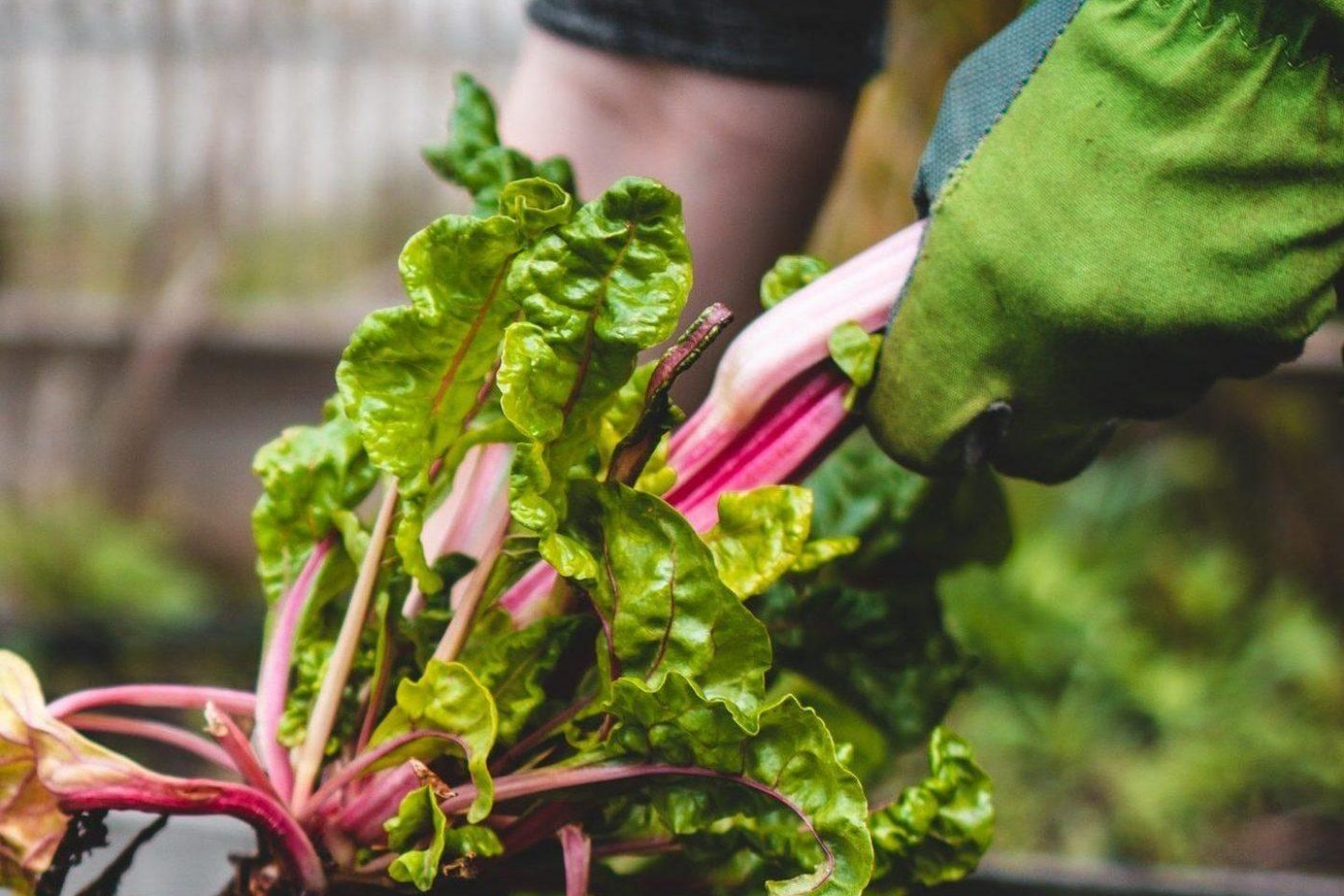
Gardening can provide many opportunities to immerse ourselves in meaningful activity. This could be through sowing seeds, learning to propagate or creatively designing a new border. These are all tasks that can potentially provide us with a sense of flow.
Gardening encompasses so many different activities. The tasks can be relatively simple or more complicated, relaxing or strenuous. We may feel a sense of flow when raking up the fallen leaves on the lawn or when planting up a border. There is no specific recipe to finding flow as each of us is different.
The next time you find yourself in the garden, try being mindful of how you feel. Think about the gardening tasks you enjoy and how you feel when you are doing them. What are the tasks you find yourself immersed in and which help you forget about everything else? During these activities, you are most likely to experience a positive sense of flow.
* Csikszentmihalyi, M., & Csikszentmihalyi, I. S. (Eds.). (1988). Optimal experience: Psychological studies of flow in consciousness. Cambridge University Press
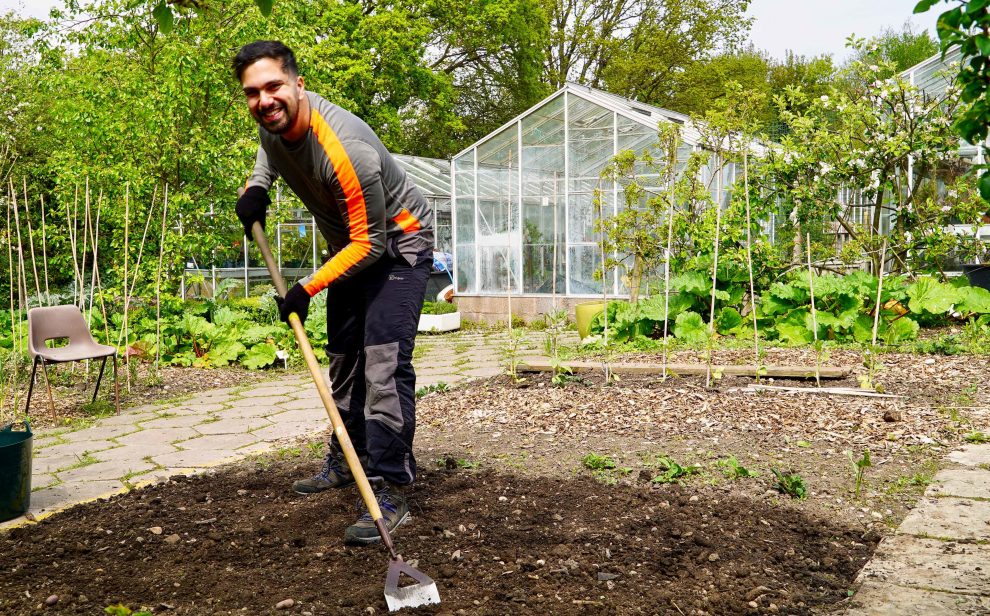
You may already have green fingers, or you may have never gardened in your life. Whatever your experience, there are many ways gardening can improve your health and wellbeing.
Every pound makes a real difference. Donate today to change lives in Birmingham.
Donate today

