

Helpful information
Timing: Mid to late May / early June
Where to do it: Outdoors
Garden space: Large garden, small garden, balcony
Timing: Mid to late May / early June
Where to do it: Outdoors
Garden space: Large garden, small garden, balcony
The Chelsea chop refers to light pruning that can be done on a small number of summer-flowering perennial plants.
The name comes from the timing. It’s best done around the same time, or just after, the RHS Chelsea Flower Show in late May. Early June is generally still ok, so long as your plants don’t have a lot of flower buds on.
The reason to give these particular plants the Chelsea chop is to encourage them to flower a little later in summer, to help them produce more flowers and to prevent tall plants from flopping over.
Which plants to give the Chelsea chop
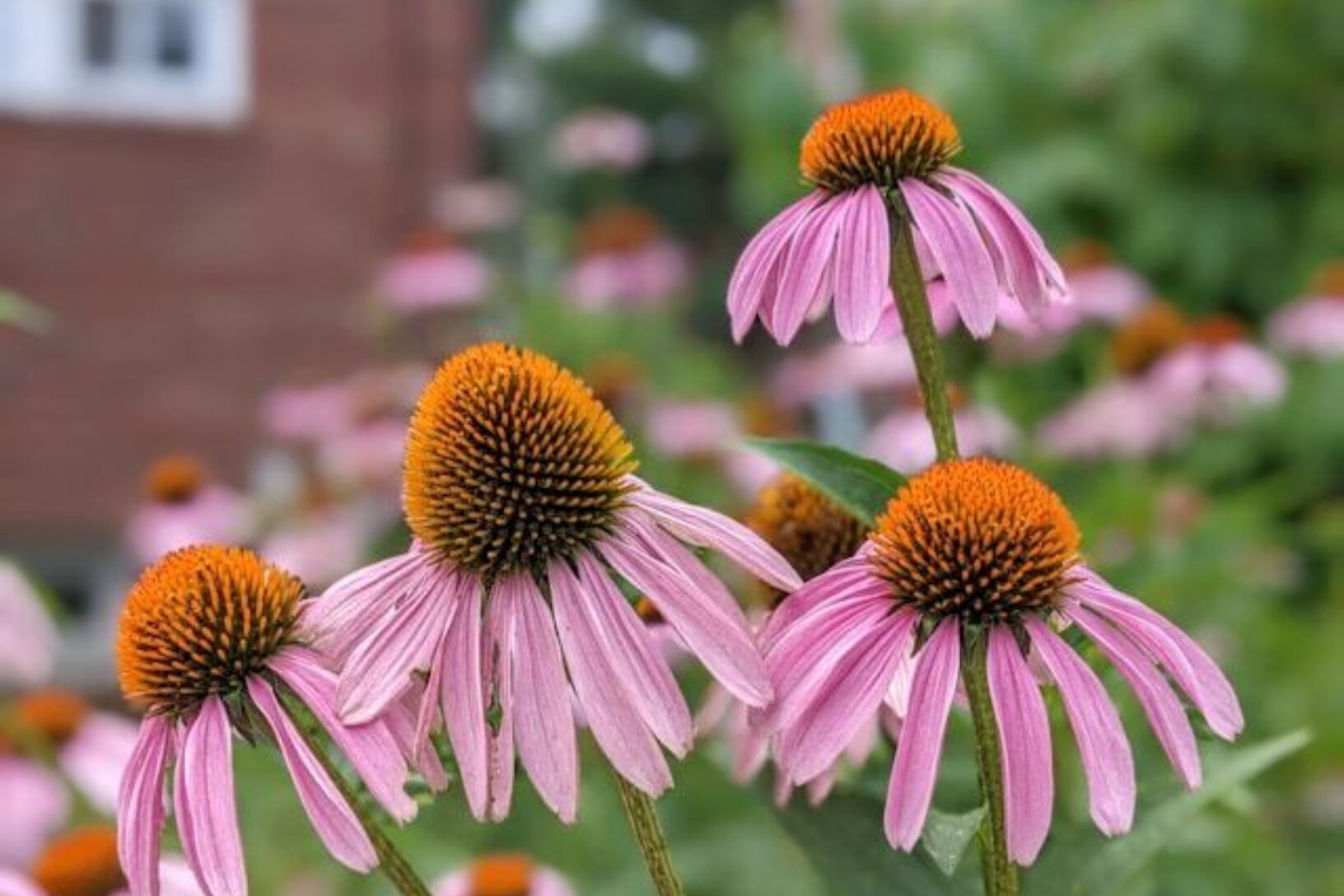
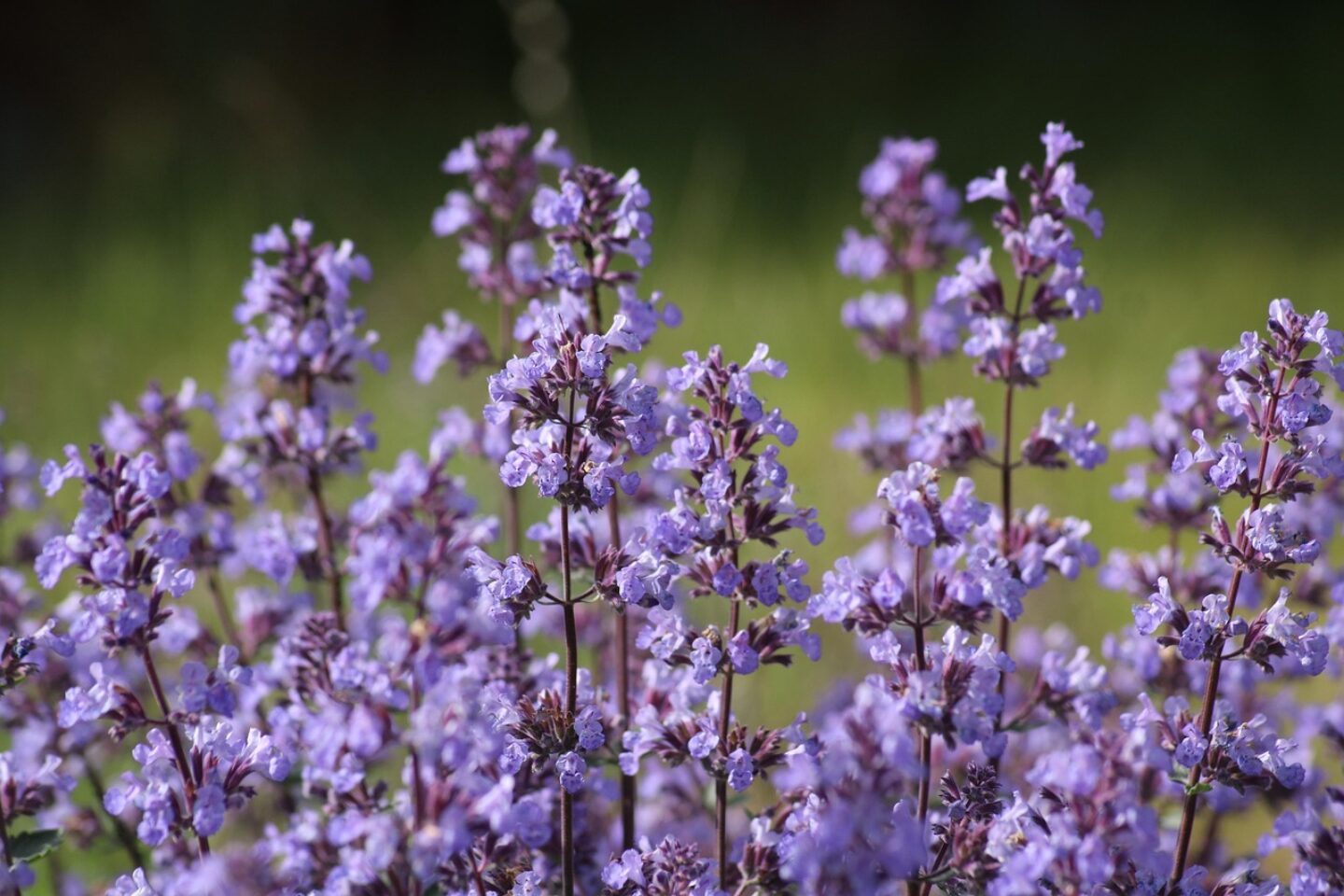
These plants are all suitable for the Chelsea chop:
Essential items
Follow these steps to give your plants the Chelsea chop with ease.
Step 1: Check the status of your plants
Before giving your plants the Chelsea chop, look very closely at them. If they already have flower buds or flowers on them, it's better to leave them alone. If you cut off buds or flowers, you might get less flowers, or no flowers, this year.
Step 2: Decide how many of the stems you will cut
When doing the Chelsea chop, you have different options, depending on what you would like in your garden:
Choosing to cut 1/3 off every stem is a good choice if you want to keep a compact overall plant shape. It will most likely mean all the flowers will bloom a bit later in summer, which can otherwise be a sparse time in the garden.
Choosing to cut 1/3 off some, but not all, stems is a good choice if you are trying the Chelsea chop for the first time. It means you should end up with staggered flower blooming times on the same plant. It also lets you check how your plant responds to being cut back.
Step 3: Cut back stems
When cutting stems, aim to make clean cuts, ideally using a sharp pair of secateurs. The best place to make a cut if possible – and visible – is just above a node. This is a scientific name for the bump on the stem that leaves and buds grow from. Don’t worry too much if you can’t spot this.
If you are only cutting back some stems, you might decide to only cut back the stems at the front for a layered look. Or you could cut back every second stem for a mixed look.
Place cuttings in a trug / bucket as you go then onto the compost heap, or directly into the garden waste bin.
Step 4: Water your plants
Being cut back can be a bit distressing for plants! They will recover better if you water them well after cutting.
Congratulations, you've given your plants the Chelsea chop!
Hopefully, in a few weeks, you will see new, bushier growth. Later in the summer, you will be able to enjoy the sight of your slightly delayed blooms!

Some of your trees and shrubs may need pruning to keep them healthy and manageable . We look at tools and techniques to help you prune in your garden.


