

With thanks
To the autistic Thrive community members who have contributed their views to support this guide.
To the autistic Thrive community members who have contributed their views to support this guide.
In a 2025 Thrive survey, 82% of autistic respondents said gardening made them feel less stressed / more calm

Autism is a lifelong neurodevelopmental difference. It affects how people interact, communicate and learn.
Around 1-2% of the UK population is autistic. Autism is commonly diagnosed in childhood, but it can be diagnosed at any age.
Much like no two people are the same, the behaviours and characteristics of autistic people can be very varied. According to Autistica, these might include:
In this guide, we explore how gardening can support autistic people. We’ll also give tips to make gardening easier and more enjoyable.

If you are autistic, gardening can offer a range of benefits that can help support your mental and physical wellbeing.
Gardening for physical health
Gardening can be a great way to keep active. Being active is one of the 5 Ways to Wellbeing from the New Economics Foundation and the UK Government.
The range of gardening activities available, from more physical ones that burn calories to gentler ones that use fine motor skills, allows a variety of physical benefits. Some autistic people may have difficulties with sensory environments, coordination or balance. Physical health and mental health challenges can also be a daily challenge for some people.
Gardening … is great physical activity which helps autism.
Autistic adult and Thrive survey respondent
Being physically active also has a strong link to mental wellbeing, helping to improve mood and decrease stress. An umbrella review of evidence on the relationship between physical activity and mental health showed that physical activity could significantly reduce the risk of depression and anxiety.
Research specifically around exercise and autism is limited, with more insight needed.
Some autistic people experience hypermobility or conditions like Ehlers-Danlos syndrome. If you do, you may need to take extra care when gardening. Certain physical tasks like digging, heavy lifting, or prolonged bending may increase the risk of strain or injury. You may like to consult with your GP or physiotherapist for personalised advice.
It’s not unusual for autistic people to also experience challenges with mental wellbeing, such as depression or anxiety.
Gardening and connecting with nature can have a positive impact on mental health. It can help boost mood or reduce stress.
I like watching something grow and nurturing something.
Autistic adult and Thrive survey respondent
Many autistic people have sensory differences, which can lead to sensory overload. Spending time in nature can offer respite from busy, overwhelming environments.
There is a growing body of evidence supporting the wellbeing effects of gardens and nature. Read more in our guide on gardening and mental health.
How gardening helps autistic people connect with others
While you can garden alone, by gardening with others, you can find social connection. You could garden with a friend, as part of a community group, or share ideas, produce and what you’re enjoying with others.
I enjoy gardening with someone I like and chatting with them.
Autistic adult and Thrive survey respondent
Connecting with others through gardening can be a great way to boost confidence, self-esteem and practice communication. Conversation may come more comfortably when busy doing a shared activity, compared to direct conversation. The pressure for direct eye contact can also be reduced, which might feel more comfortable.
Gardening can be a good time to talk and discuss problems while working.
Autistic adult and Thrive survey respondent
Gardening can provide a good communication bridge, particularly if someone communicates without speaking. It can involve plenty of non-speaking shared actions, such as pointing out what needs doing, choosing plants and sharing tools. Nurturing a garden is a way to express preferences and emotions without needing to describe them. This is important as about half of autistic people experience alexithymia, which is a difficulty in understanding and describing their emotions.
Learning and routine
Continual learning is one of the Five Ways to Wellbeing. Gardening offers constant opportunities to learn new things.
(I like) Endless learning.
Autistic adult and Thrive survey respondent
Many autistic people have focused interests and like learning about subjects in depth. If you enjoy exploring a subject in depth, there are ways to extend your gardening knowledge. This could include learning more about ecosystems, insects, soil, or plant biology.
When gardening, activities can also be broken down into small steps and done bit by bit. This can make it easier to process and reduce the possible overwhelm that can come from having too much information at once.
Many autistic people love routine. Gardens enjoy a seasonally recurring pattern of activity. You might find this sense of routine and predictability enjoyable, such as knowing the garden will need a tidy every autumn, or the timing of sowing seeds in spring.
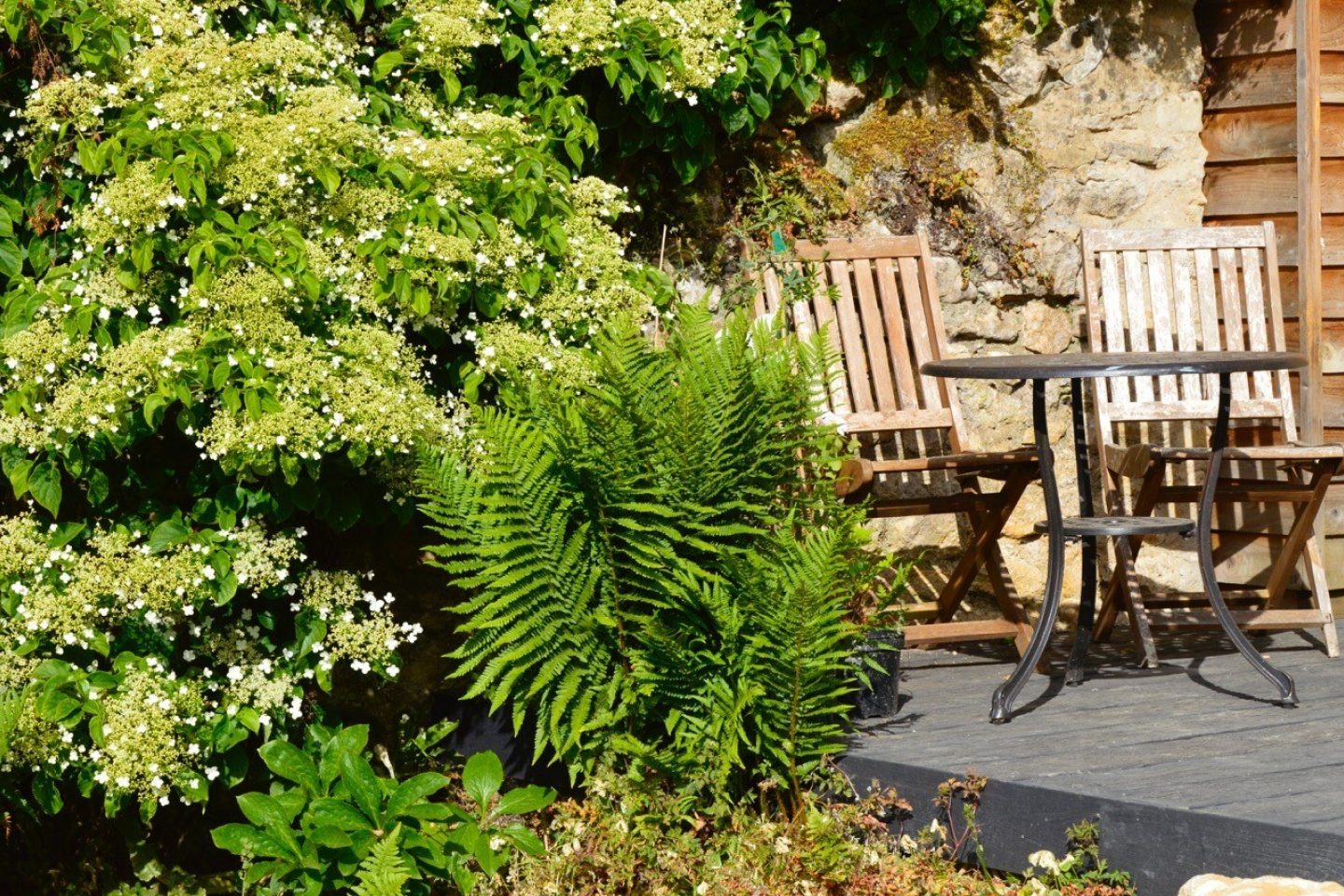
One of the wonderful things about a garden space is that it can be designed so you can enjoy it your way. It can be as individual as you are.
In a 2025 survey, we asked autistic people what their ideal type of garden space would include. 58% said somewhere to grow food, 53% calming and green, 53% bursting with colour, 45% wild with plenty of wildlife. These results show how varied people’s interests are.
There are lots of ways to design a garden. For personal recommendations and advice, read gardening tips from the autistic community.
Sensory elements
Most autistic people have sensory differences and can be more or less sensitive to their environments. All gardens are sensory in some respects, as they naturally provide a range of sights and sounds. A garden can be intentionally made more or less stimulating, depending on your preferences.
If you prefer a calming garden, you could include plants in soft shades, have curved lines, include a small, still pond and only prune plants loosely.
If you want to be more simulated, you could include plants in vibrant shades, have straight lines, prune plants tightly and have an energetically flowing water feature.
Read more in our guide to planning a sensory garden.
Accessible garden design
An accessible garden is one you can easily move and work in, allowing you enjoy it in comfort.
For advice on aspects from paths to plants, read our guide to accessible garden design.

We asked autistic people for their top gardening tips to inspire more of you to give gardening a go. Here are 10 of the top tips:
1. “Plan what you are going to do beforehand. Even 10 minutes can achieve something, whereas you might think - what’s the point?”
2. “Plan a small space to garden. If you complete this early, congratulate yourself. If you feel like doing a bit more, then carry on with the plan.”
3. “Break the tasks into smaller bite-sized chunks to make it easier to complete. Put on music to help you feel motivated.”
4. “Have a set to-do list with steps that need to be ticked off to make sure tasks are completed.”
5. “I always have someone with me to help me focus on the task and to encourage me.”
6. “Take time to stop, sit, and enjoy what you have achieved.”
7. “Award yourself a cup of tea or beverage when you have completed a section.”
8. “It doesn’t matter if things go wrong, grow what you like to see, touch and eat.”
9. Don't wait to feel motivated! Instead, aim for a very short period of time, after which you can stop. I find that once I get moving, motivation follows!
10. Take a photo before you start and when you finish for the day, so you can see what you’ve accomplished
Find more in our article sharing gardening tips from the autistic community.
If you are autistic, or you are supporting an autistic person, you may find the following links useful:
Autistica website (autism research and campaigning)


Find gardening tips from autistic people, from creating the ideal space to managing your time.


