The benefits of nature on human health were well appreciated since ancient times, and prior to the 19th century, hospitals in Western Europe and North America were designed to facilitate interacting with nature in the healing regime but this was discontinued in modern hospitals.
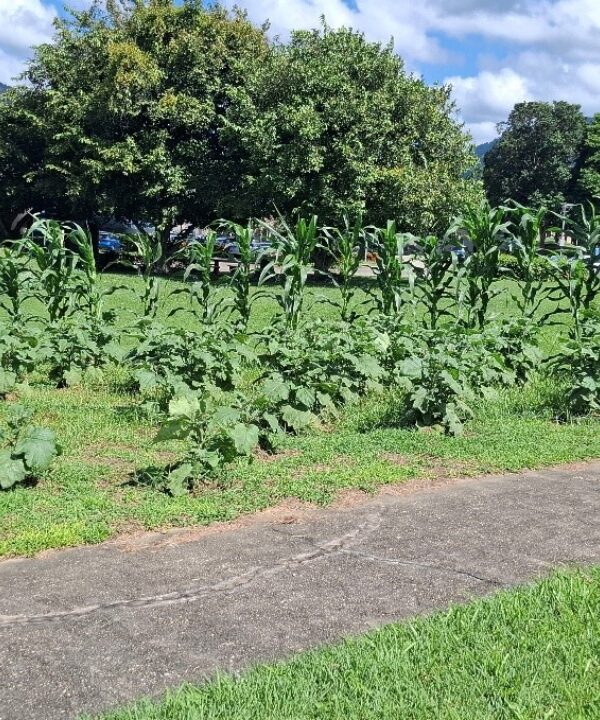
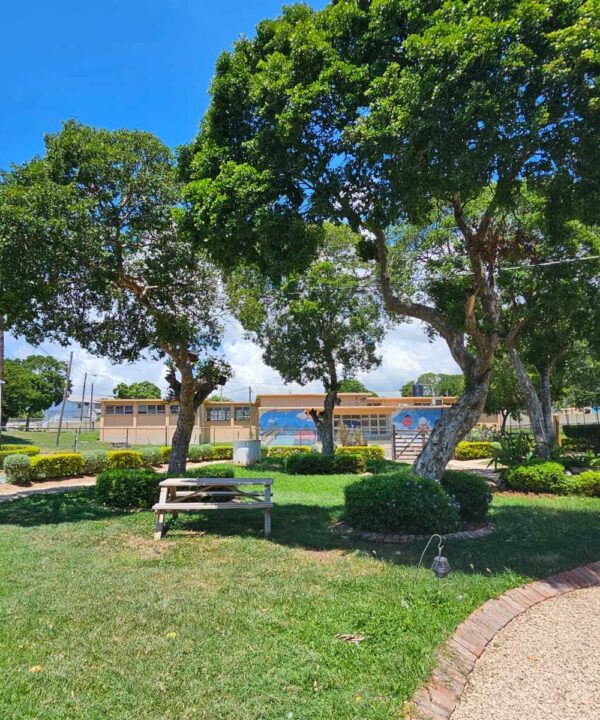
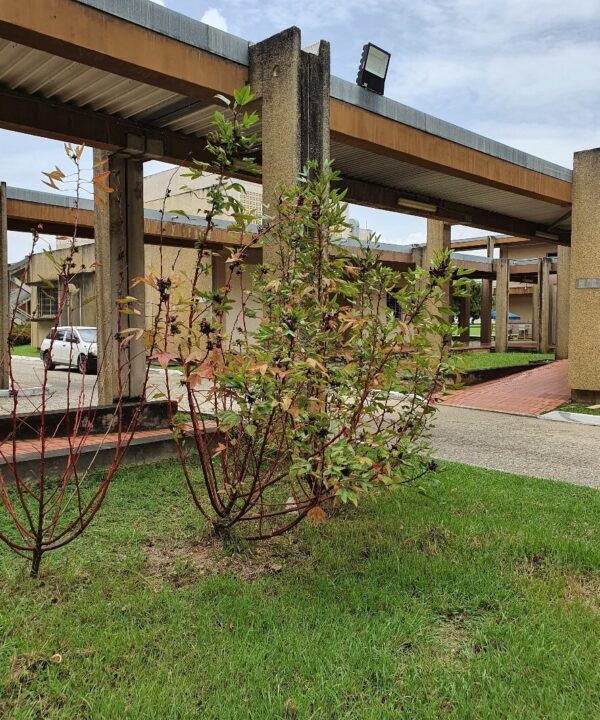
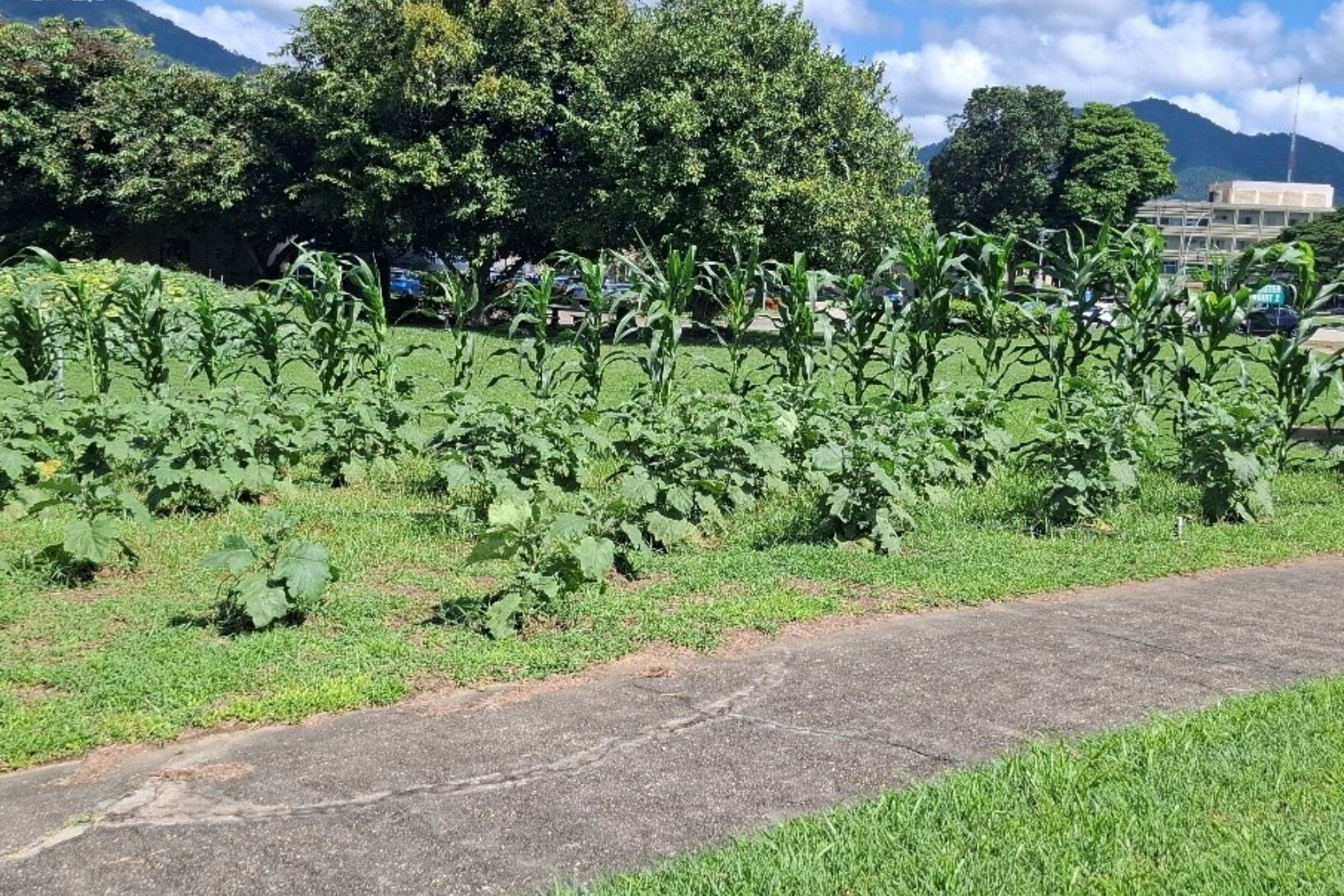
With research findings increasingly confirming the positive impact of nature-based interventions on physical, mental, emotional, social health and wellness, wellbeing gardens are returning to hospital landscapes for the benefit of patients, staff, visitors and the community. Some, defined as therapeutic hospital gardens, support professional interventions through social and therapeutic horticulture or horticultural therapy, while others offer general therapeutic benefits. Hospital gardens also contribute to human health by providing nutritious food and greener, healthier environments.
In the Caribbean, where there is a significant incidence of ill health due to non-communicable diseases and mental ill-health, public institutions are the major healthcare providers but very little has been reported about the use of gardens for health.
A recent study by Dr. Laura Roberts-Nkrumah at selected public hospitals in Jamaica and Trinidad and Tobago addresses this gap. Dr. Laura Roberts-Nkrumah is a retired professor of the University of the West Indies, St Augustine Campus in Trinidad and Tobago, with a longstanding and keen interest in people-plant relationships, training in horticultural therapy and over 30 years of experience in crop and horticulture education.
She found a history of agricultural activity as occupation therapy for residential clients with physical or mental illness at some institutions. More recently, hospitals gardens mainly provide therapeutic benefits, while some also focus on food for better nutrition and green environments. Major limitations are unawareness of the professional application of horticulture as therapy and the consequent absence of trained staff which has affected implementation and sustainability of the gardens.
A PDF version of the full paper is available here